Vue papier
Découvrez la vue papier en cliquant ici
Unit 1
Activity 2
Gardens for all or gardens for some?
Ressource affichée de l'autre côté.
Faites défiler pour voir la suite.
Faites défiler pour voir la suite.
angt-unit1-activity2.mp3
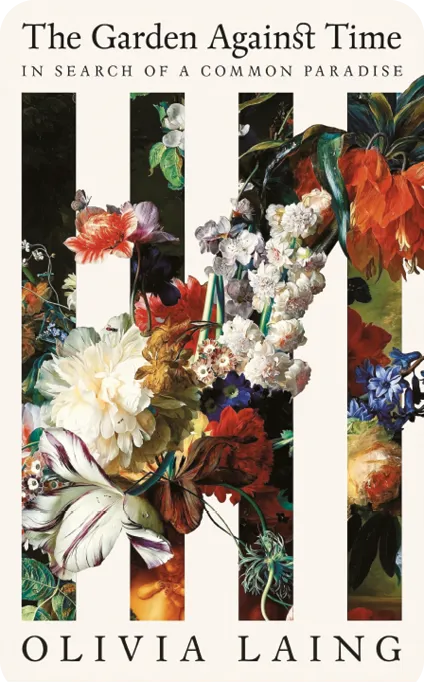
Over the course of 2020, three million people in Britain began to garden for the first time, over half of them under forty-five. Garden centres ran out of compost, seeds and even plants as people poured their energy into transforming the spaces in which they were confined. [...]
Planting was a way of investing in a better future.
For some people, anyway. But the lockdown also made it painfully apparent that the garden, that supposed sanctuary from the world, was inescapably political. There was a grim disparity that sublime spring between the people pottering with trowels or typing from their deckchairs, and those trapped in tower blocks or mildewed bedsits. This disparity was only intensified as public parks and wild spaces were closed or subject to heightened policing, making them more inaccessible to the people who needed them most. According to research [...], the vast majority – 88 per cent – of the British population has access to a garden of some kind, including balconies, patios and communal garden spaces, but this distribution is by no means random. Black people are nearly four times as likely to have no access to a garden as white people, while people in unskilled and semi-skilled jobs, casual workers and the unemployed are almost three times as likely to be without a garden as those in professional or managerial positions. [...]
As Black Lives Matter protests took hold around the world, gardens, and especially the aristocratic stately home gardens owned by the National Trust, were subject to scrutiny in their own right. A garden, a parkland might look more innocent, even virtuous, than a statue of a slave-trader, but they too have a hidden relationship with colonialism and slavery. [...] Slavery also provided the capital for a concerted beautification of the landscape, as the grotesque profits from sugar plantations were used to found lavish houses and gardens back in England. [...]
The fact that owning a garden is a luxury, that access to land itself is a luxury, a privilege and not the right it should be, is hardly a new phenomenon. [...] As Toni Morrison once observed: “All paradises, all utopias are designed by who is not there, by the people who are not allowed in.”
Planting was a way of investing in a better future.
For some people, anyway. But the lockdown also made it painfully apparent that the garden, that supposed sanctuary from the world, was inescapably political. There was a grim disparity that sublime spring between the people pottering with trowels or typing from their deckchairs, and those trapped in tower blocks or mildewed bedsits. This disparity was only intensified as public parks and wild spaces were closed or subject to heightened policing, making them more inaccessible to the people who needed them most. According to research [...], the vast majority – 88 per cent – of the British population has access to a garden of some kind, including balconies, patios and communal garden spaces, but this distribution is by no means random. Black people are nearly four times as likely to have no access to a garden as white people, while people in unskilled and semi-skilled jobs, casual workers and the unemployed are almost three times as likely to be without a garden as those in professional or managerial positions. [...]
As Black Lives Matter protests took hold around the world, gardens, and especially the aristocratic stately home gardens owned by the National Trust, were subject to scrutiny in their own right. A garden, a parkland might look more innocent, even virtuous, than a statue of a slave-trader, but they too have a hidden relationship with colonialism and slavery. [...] Slavery also provided the capital for a concerted beautification of the landscape, as the grotesque profits from sugar plantations were used to found lavish houses and gardens back in England. [...]
The fact that owning a garden is a luxury, that access to land itself is a luxury, a privilege and not the right it should be, is hardly a new phenomenon. [...] As Toni Morrison once observed: “All paradises, all utopias are designed by who is not there, by the people who are not allowed in.”
Ressource affichée de l'autre côté.
Faites défiler pour voir la suite.
Faites défiler pour voir la suite.

Ressource affichée de l'autre côté.
Faites défiler pour voir la suite.
Faites défiler pour voir la suite.
PATH A
B1
1-A
What age group in particular started gardening
during the 2020 lockdown? Why?
2-A
According to the text, which people are more
likely to have no access to a garden?
3-A
Why does the text mention gardens can be
“political”?
Ressource affichée de l'autre côté.
Faites défiler pour voir la suite.
Faites défiler pour voir la suite.
PATH B
B2
1-B
What social, economic, and historical factors
make access to gardens unequal in Britain?
2-B
How does Olivia Laing connect gardens
to colonial history and slavery?
3-B
Explain Toni Morrison's quote and how it
relates to the topic of gardens.
Ressource affichée de l'autre côté.
Faites défiler pour voir la suite.
Faites défiler pour voir la suite.
Let's talk this out!
4
Share your findings. What fact or idea in the text surprised you most about gardens and green spaces in Britain?
5
How can gardens, which seem peaceful or neutral, actually reflect politics, history, and social inequalities?
6
Why should everyone have access to a garden or a green space?
Ressource affichée de l'autre côté.
Faites défiler pour voir la suite.
Faites défiler pour voir la suite.
Greenfluencer for a day!
You're a garden influencer during lockdown. Record a short video about your green space. Where are you filming from (no garden, park, private garden, etc.)? What message do you want to share with your followers about access to nature?
You're a garden influencer during lockdown. Record a short video about your green space. Where are you filming from (no garden, park, private garden, etc.)? What message do you want to share with your followers about access to nature?
Une erreur sur la page ? Une idée à proposer ?
Nos manuels sont collaboratifs, n'hésitez pas à nous en faire part.
j'ai une idée !
Oups, une coquille