Vue papier

Découvrez la vue papier en cliquant ici
Unit 2
Activity 1
Body and law: a love-hate story
Ressource affichée de l'autre côté.
Faites défiler pour voir la suite.
Faites défiler pour voir la suite.
1The history of birth control

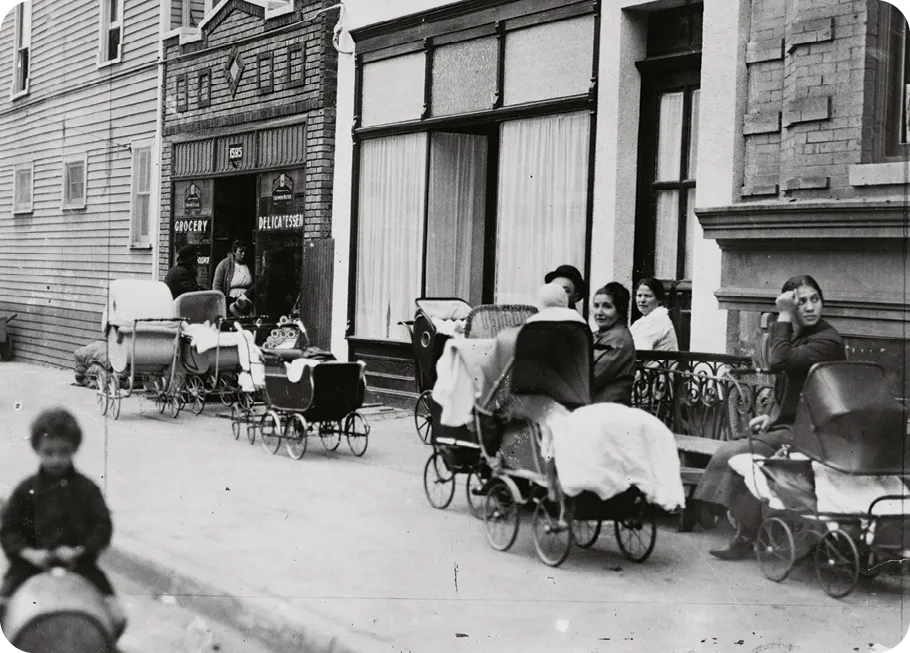
Women in front of a clinic in Brooklyn, 1916.
Vidéo associée
Ressource affichée de l'autre côté.
Faites défiler pour voir la suite.
Faites défiler pour voir la suite.
2A law to end domestic violence

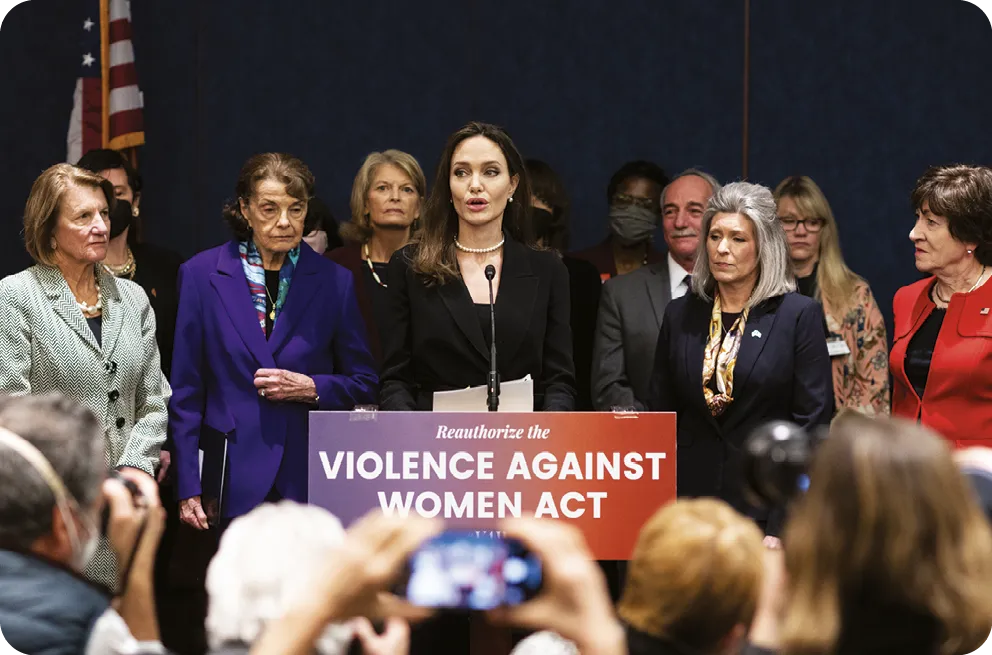
Angelina Jolie speaks at the Violence Against Women Act Conference, 2022.
Vidéo associée
From 0:40 to 2:04Ressource affichée de l'autre côté.
Faites défiler pour voir la suite.
Faites défiler pour voir la suite.
3
Bodily autonomy
angt-unit2-activity1-doc3.mp3
For many, the phrase “bodily autonomy” brings abortion access to mind, especially since the 2022 overturning of Roe v. Wade – the 1973 Supreme Court decision that legalized abortion throughout the U.S. This latest court decision means that American states can regulate abortion within their borders.
But the concept of bodily autonomy also applies to trans rights, disability justice, mental health, and even what a person can wear on their body. That's a wide range of topics, so let's unpack how these issues intersect.
At its core, bodily autonomy refers to having individual control over what does and does not happen to our own bodies: how they're dressed, how they're fed, who touches them, and for what reasons.
When laws protecting bodily autonomy are struck down or overturned, the groups that end up in even more precarious circumstances are those who have rarely had control over what happens to their bodies – including people who are disabled, undocumented, gender-diverse, Black, Indigenous, and/or can get pregnant. The risks are real, and a lack of bodily autonomy can prove fatal. [...]
The “autonomy” part is about the ability to make choices for oneself that do not affect another human being outside of oneself.
But the concept of bodily autonomy also applies to trans rights, disability justice, mental health, and even what a person can wear on their body. That's a wide range of topics, so let's unpack how these issues intersect.
At its core, bodily autonomy refers to having individual control over what does and does not happen to our own bodies: how they're dressed, how they're fed, who touches them, and for what reasons.
When laws protecting bodily autonomy are struck down or overturned, the groups that end up in even more precarious circumstances are those who have rarely had control over what happens to their bodies – including people who are disabled, undocumented, gender-diverse, Black, Indigenous, and/or can get pregnant. The risks are real, and a lack of bodily autonomy can prove fatal. [...]
The “autonomy” part is about the ability to make choices for oneself that do not affect another human being outside of oneself.
Ressource affichée de l'autre côté.
Faites défiler pour voir la suite.
Faites défiler pour voir la suite.
Questions
1
Identify the laws that were passed and explain the changes that they brought for women and society.
2
What does “bodily autonomy” mean? List examples of issues that it can be connected to.
3
Explain in your own words how laws can protect bodily autonomy. Who is most affected when these laws are overturned?
Ressource affichée de l'autre côté.
Faites défiler pour voir la suite.
Faites défiler pour voir la suite.
Background check
To what extent can laws both restrict and protect women's agency on their own bodies?Ressource affichée de l'autre côté.
Faites défiler pour voir la suite.
Faites défiler pour voir la suite.
Close your book and ask a classmate a question about
a fact from the documents. Can they get it right?
Une erreur sur la page ? Une idée à proposer ?
Nos manuels sont collaboratifs, n'hésitez pas à nous en faire part.
j'ai une idée !
Oups, une coquille