Vue papier

Découvrez la vue papier en cliquant ici
Unit 10
Activity 1
The National Park story
Ressource affichée de l'autre côté.
Faites défiler pour voir la suite.
Faites défiler pour voir la suite.
1
From wilderness to wonderlands

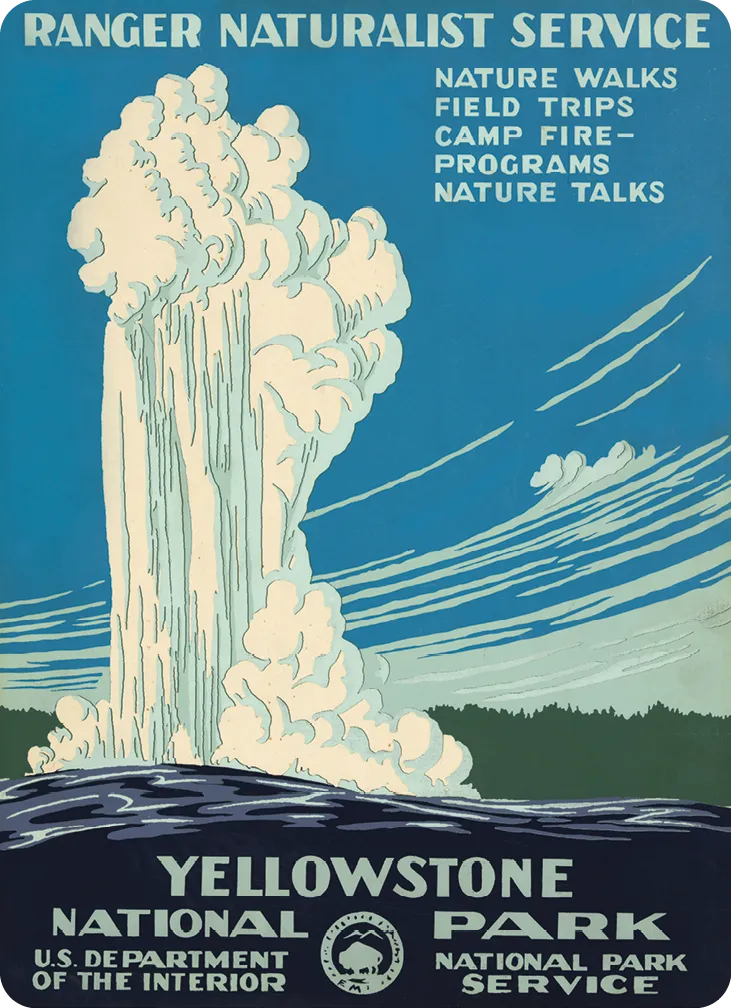
Poster of Yellowstone National Park, 1938.
Vidéo associée
From 0:00 to 2:36Ressource affichée de l'autre côté.
Faites défiler pour voir la suite.
Faites défiler pour voir la suite.
2
Roads to recreation
Roads to recreation
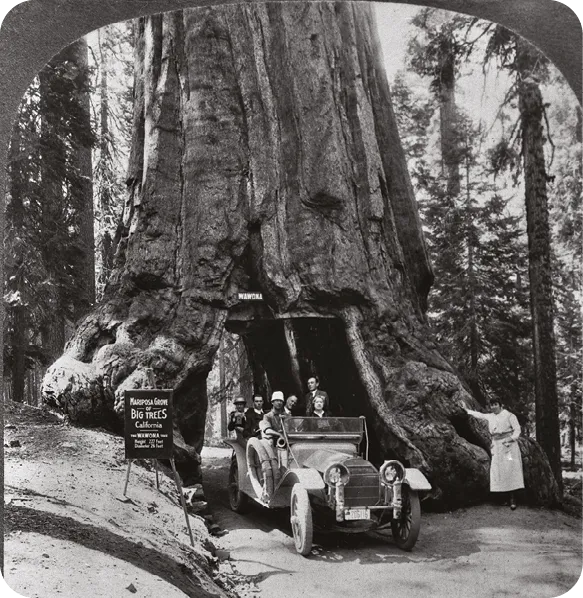
The National Park Service developed Mission 66 in the middle of the 1900s to expand visitor services and “modernize” park facilities. It followed the development of the US highway system and coincided with the creation of the first interstate highways. After World War II, the availability of affordable cars, […] increases in income, and better roads combined to spur automobile-borne tourism. Consequently, Americans visited the national parks like never before. But the parks were not equipped to handle the growing visitation. In fact, visitation to the units in the National Park System increased from 17 million in 1940 to 56 million in 1956.
Conrad Wirth, then the National Park Service director, proposed the Mission 66 program to Congress in 1955. It was a ten-year project to be completed in 1966 for the 50th anniversary of the National Park Service. In 1956, the program gained the backing of President Dwight D. Eisenhower and was funded by Congress. […]
The completion of more durable roadways […] helped to bring visitors to new areas. Subsequently, the National Park Service needed more facilities to accommodate the increase in visitation.
Conrad Wirth, then the National Park Service director, proposed the Mission 66 program to Congress in 1955. It was a ten-year project to be completed in 1966 for the 50th anniversary of the National Park Service. In 1956, the program gained the backing of President Dwight D. Eisenhower and was funded by Congress. […]
The completion of more durable roadways […] helped to bring visitors to new areas. Subsequently, the National Park Service needed more facilities to accommodate the increase in visitation.

Ressource affichée de l'autre côté.
Faites défiler pour voir la suite.
Faites défiler pour voir la suite.
Questions
1
Watch the video. Name at least two people involved in creating the first U.S. national parks and explain their role briefly.
2
Read the text. Why was the Mission 66 program created, and what problem was it trying to solve in the national parks?
3
Listen to the audio. What is the main argument about the history of national parks and Native American land?
4
Using all three documents, create a timeline with at least five important dates and events in the history of the U.S. national parks.
Ressource affichée de l'autre côté.
Faites défiler pour voir la suite.
Faites défiler pour voir la suite.
Background check
To what extent does the history of national parks reflect the changes in American values and priorities?Ressource affichée de l'autre côté.
Faites défiler pour voir la suite.
Faites défiler pour voir la suite.
In pairs, each student picks three names or dates from the page. Your partner must give one fact about each.