Vue papier
Découvrez la vue papier en cliquant ici
Unit B
Tech Exploration
Futuristic chemistry
Ressource affichée de l'autre côté.
Faites défiler pour voir la suite.
Faites défiler pour voir la suite.
angt-unitb-techexp.mp3
The most obvious examples of technology in science fiction tend to focus on artificial intelligence, communication and transport. But futuristic chemistry is embraced by sci-fi writers too. [...]
In recent years we've seen incredible leaps in chemical technologies – to the point where, as a chemist, I'm frequently reminded of some of my favourite fiction while reading about the latest big developments.
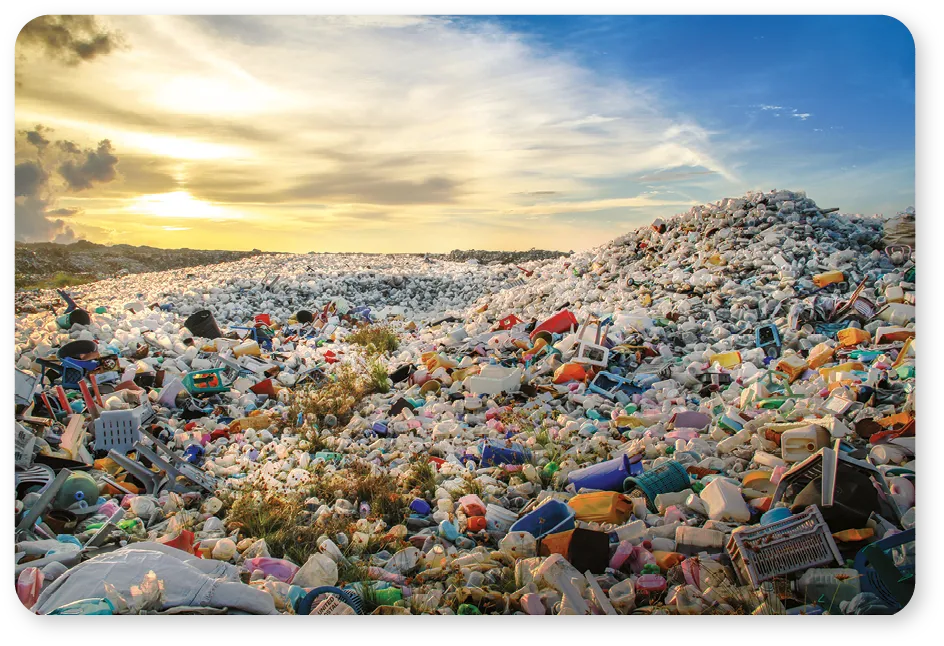
While environmental issues are a common thread in science fiction, not many deal with the blight of plastics. An exception is the 1972 novel Mutant 59: The Plastic Eaters. This story, featuring a bacteria that digests plastic, would have seemed far-fetched a few years ago. After all, plastics have only been around for 80 years or so, which hardly seems long enough for nature to evolve a mechanism to eat them.
Yet plastics are carbon-based compounds, in many ways similar to natural polymers such as collagen (in animals), cellulose (in plants) and bees waxes. Over eons, bacteria and fungi have evolved many biochemical tools to scavenge the carbon from every dead organism.
So maybe it shouldn't have been a surprise when, in 2016, scientists sifting through a recycling plant in Kyoto, Japan discovered a bacteria literally feeding on plastic bottles. Since then, several other research groups have isolated the digestive enzymes involved and engineered them to be more efficient. The hope is we can use these modified natural systems to clean up our plastic mess. [...]
Chemical engineers are already developing large-scale recycling plants using bacteria. The bacteria in Mutant 59 was also engineered in a lab – but let's hope the parallel stops there. In the novel, the bacteria escapes and causes devastation as it rips through our world, rotting the plastic infrastructure that holds society together.
In recent years we've seen incredible leaps in chemical technologies – to the point where, as a chemist, I'm frequently reminded of some of my favourite fiction while reading about the latest big developments.
While environmental issues are a common thread in science fiction, not many deal with the blight of plastics. An exception is the 1972 novel Mutant 59: The Plastic Eaters. This story, featuring a bacteria that digests plastic, would have seemed far-fetched a few years ago. After all, plastics have only been around for 80 years or so, which hardly seems long enough for nature to evolve a mechanism to eat them.
Yet plastics are carbon-based compounds, in many ways similar to natural polymers such as collagen (in animals), cellulose (in plants) and bees waxes. Over eons, bacteria and fungi have evolved many biochemical tools to scavenge the carbon from every dead organism.
So maybe it shouldn't have been a surprise when, in 2016, scientists sifting through a recycling plant in Kyoto, Japan discovered a bacteria literally feeding on plastic bottles. Since then, several other research groups have isolated the digestive enzymes involved and engineered them to be more efficient. The hope is we can use these modified natural systems to clean up our plastic mess. [...]
Chemical engineers are already developing large-scale recycling plants using bacteria. The bacteria in Mutant 59 was also engineered in a lab – but let's hope the parallel stops there. In the novel, the bacteria escapes and causes devastation as it rips through our world, rotting the plastic infrastructure that holds society together.
Ressource affichée de l'autre côté.
Faites défiler pour voir la suite.
Faites défiler pour voir la suite.

Vidéo associée
Ressource affichée de l'autre côté.
Faites défiler pour voir la suite.
Faites défiler pour voir la suite.
Communication
1-A
What problem could the discovered bacteria solve? Why is it a significant environmental issue?
2-A
What science fiction story imagined a similar solution? How does it compare to the real-life microbes?
3-A
How could the development of these bacteria or enzymes change the recycling industry?
Ressource affichée de l'autre côté.
Faites défiler pour voir la suite.
Faites défiler pour voir la suite.
Science
1-B
Explain why most plastics are difficult for microbes to degrade. What chemical properties make them resistant?
2-B
How do scientists modify enzymes to speed up the breakdown of plastics?
3-B
How does the science fiction scenario in Mutant 59 compare with real-life research? What warnings or lessons could it offer scientists today?
Ressource affichée de l'autre côté.
Faites défiler pour voir la suite.
Faites défiler pour voir la suite.
Over to you!
Communication
Pitch your green idea!
You are a startup founder inspired by Mutant 59: The Plastic Eaters. Present your idea for a company using plastic-eating microbes. Include the environmental benefits, potential target markets, and how you would communicate to the public.
Science
Create a diagram.
Scientists have discovered an enzyme that can break down plastic. Make a diagram showing how it works using arrows, labels, and simple explanations.
Une erreur sur la page ? Une idée à proposer ?
Nos manuels sont collaboratifs, n'hésitez pas à nous en faire part.
j'ai une idée !
Oups, une coquille