Vue papier

Découvrez la vue papier en cliquant ici
Unit 9
Activity 1
It's all in your head!
Ressource affichée de l'autre côté.
Faites défiler pour voir la suite.
Faites défiler pour voir la suite.
1What conspiracy theories do to your brain

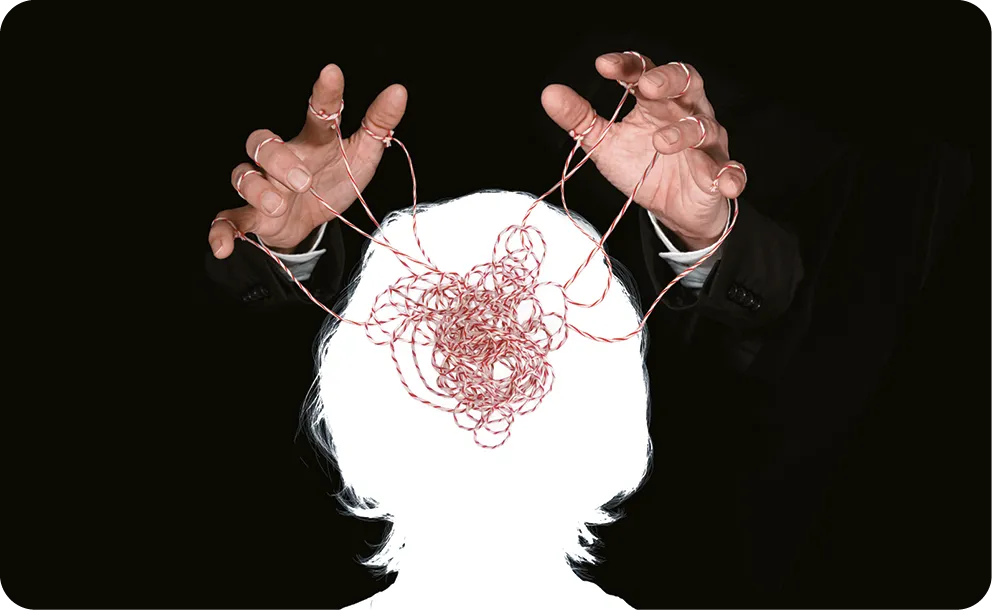
“A neuroscientist explains what conspiracy theories do to your brain”, Inverse, 2019.
Vidéo associée
From 0:00 to 3:58Ressource affichée de l'autre côté.
Faites défiler pour voir la suite.
Faites défiler pour voir la suite.
2Why we are all attracted to conspiracy theories

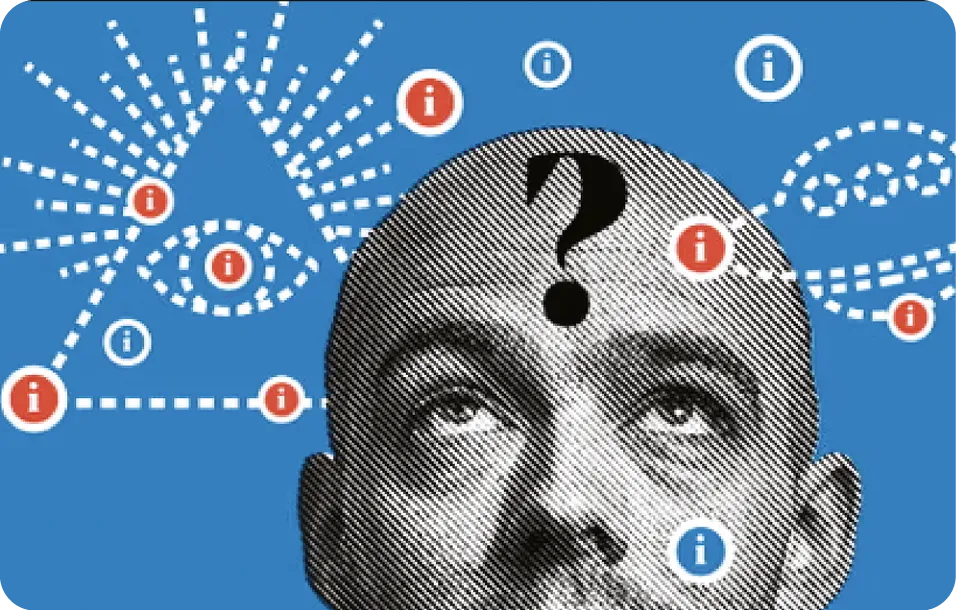
“Why we are all attracted to conspiracy theories”, The Guardian, 2021.
Vidéo associée
From 0:00 to 3:07Ressource affichée de l'autre côté.
Faites défiler pour voir la suite.
Faites défiler pour voir la suite.
3
Awakenings
angt-unit9-activity1-doc3.mp3
Belief in conspiracy theories is often initiated by traumatic life events. Job losses or the death of a loved one can trigger anger and suspicion towards public services, authority figures, and experts. This is especially so if people feel that the tragic or destructive events that affected them could have been averted. And these emotions can motivate a search for answers.
When conspiracy theories claim to explain painful personal circumstances or wider fears over COVID-19, or climate change, people can experience “awakenings”. These are moments of insight during which people come to believe that the causes of their problems lie with secretive groups which control society.
One person we spoke to described conspiracy theories as enabling him to “access the way the world really works… as if a light was switched on in my head and I could see things clearly”.
People rarely experience their awakening in isolation. In online group chats, people discover others with similar problems. In public meetings, beliefs in various theories are boosted by interactions where people discuss their suspicions over who is to blame for particular issues. In the process, these groups feed off their common emotions, building an atmosphere of energy and excitement.
The loss of traditional meeting places such as pubs and high streets, along with high levels of loneliness, may be driving people to look for new forms of connection and meaning.
When conspiracy theories claim to explain painful personal circumstances or wider fears over COVID-19, or climate change, people can experience “awakenings”. These are moments of insight during which people come to believe that the causes of their problems lie with secretive groups which control society.
One person we spoke to described conspiracy theories as enabling him to “access the way the world really works… as if a light was switched on in my head and I could see things clearly”.
People rarely experience their awakening in isolation. In online group chats, people discover others with similar problems. In public meetings, beliefs in various theories are boosted by interactions where people discuss their suspicions over who is to blame for particular issues. In the process, these groups feed off their common emotions, building an atmosphere of energy and excitement.
The loss of traditional meeting places such as pubs and high streets, along with high levels of loneliness, may be driving people to look for new forms of connection and meaning.
Ressource affichée de l'autre côté.
Faites défiler pour voir la suite.
Faites défiler pour voir la suite.
Questions
1
Watch the videos. What natural functions of the human brain can lead people to believe in conspiracy theories?
2
How do the internet and repeated exposure to information reinforce conspiracy beliefs?
3
Read the text. How can personal experiences and emotions trigger belief in conspiracy theories?
Ressource affichée de l'autre côté.
Faites défiler pour voir la suite.
Faites défiler pour voir la suite.
Background check
To what extent is believing in conspiracies a human tendency?Ressource affichée de l'autre côté.
Faites défiler pour voir la suite.
Faites défiler pour voir la suite.
Select three key words from the documents. In small
groups, share your words and connect them in a
diagram to explain why people fall for conspiracies.
Une erreur sur la page ? Une idée à proposer ?
Nos manuels sont collaboratifs, n'hésitez pas à nous en faire part.
j'ai une idée !
Oups, une coquille