Vue papier
Découvrez la vue papier en cliquant ici
Unit 10
Activity 3
Standing up for books
Ressource affichée de l'autre côté.
Faites défiler pour voir la suite.
Faites défiler pour voir la suite.
Group 1A writer's perspective
Group 1
Ressource affichée de l'autre côté.
Faites défiler pour voir la suite.
Faites défiler pour voir la suite.
angt-unit10-activity3-group1.mp3
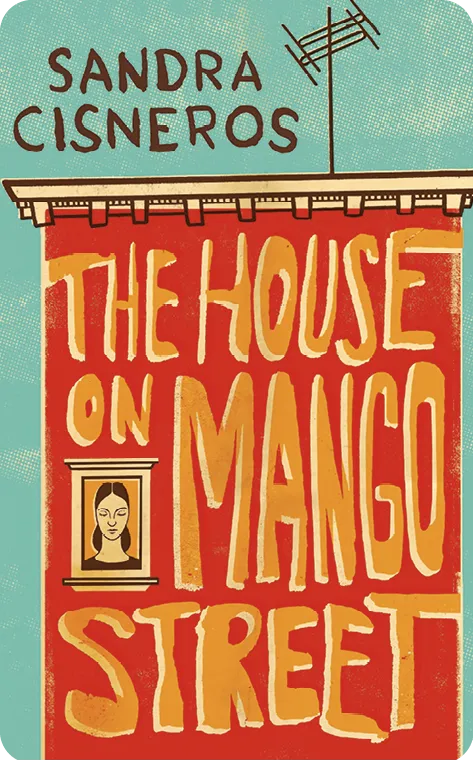
My first novel, “The House on Mango Street,” is among those deemed inappropriate by the South Texas book-removers. Most of the vignettes in the book were inspired by my time teaching at Chicago's Latino Youth Alternative High School. My students were former dropouts who struggled mightily just to return to school. Some were gay, some were addicted to drugs, some were children raising babies, some couldn't walk outdoors without being targeted by gangs, some were targeted by abusive boyfriends or parents. This was their reality. As their teacher and counselor, I had no means to heal their wounds beyond listening and telling their tales.
Because I wanted my novel to enter classrooms and libraries, I felt obliged to censor myself by writing about mature themes elusively, in a way that would sail over the heads of little ones. I needed my book to reach teens who were living these same stories, but I was also aware the stories might be read by younger readers, too. So I found myself crafting with care, respecting what children could handle at certain ages, since I certainly didn't wish to offend anyone, especially parents and school boards. [...]
I am lucky to receive constant confirmation from readers about how my book changed their lives for the better. I also feel fortunate to have corresponded with a Texas mother who felt my book should be removed from her child's school, and that we were able to exchange thoughts and come to a place of good will. Like the Mexican saying goes, “hablando se entiende la gente.” Talking to one another, we understand one another.
Because I wanted my novel to enter classrooms and libraries, I felt obliged to censor myself by writing about mature themes elusively, in a way that would sail over the heads of little ones. I needed my book to reach teens who were living these same stories, but I was also aware the stories might be read by younger readers, too. So I found myself crafting with care, respecting what children could handle at certain ages, since I certainly didn't wish to offend anyone, especially parents and school boards. [...]
I am lucky to receive constant confirmation from readers about how my book changed their lives for the better. I also feel fortunate to have corresponded with a Texas mother who felt my book should be removed from her child's school, and that we were able to exchange thoughts and come to a place of good will. Like the Mexican saying goes, “hablando se entiende la gente.” Talking to one another, we understand one another.
Ressource affichée de l'autre côté.
Faites défiler pour voir la suite.
Faites défiler pour voir la suite.
Ressource affichée de l'autre côté.
Faites défiler pour voir la suite.
Faites défiler pour voir la suite.
Questions
You are in charge of one text.
1
Who is involved in responding to book bans in this document, and what role do they play?
2
List the specific actions or strategies used to fight against book bans, and explain their impact.
3
Select quotes from the document that best show its message about the value of books.
Let's talk this out!
4
Present your document to the other groups. What do the three responses to book bans have in common, and how do they differ?
5
In your opinion, which approach seems the most effective to protect the freedom to read? Why?
6
Can you think of other ways to fight against book bans?
Ressource affichée de l'autre côté.
Faites défiler pour voir la suite.
Faites défiler pour voir la suite.
Write down an
argument from your
document on a piece
of paper. In groups
of three, shuffle your
papers and guess
who said what!
Ressource affichée de l'autre côté.
Faites défiler pour voir la suite.
Faites défiler pour voir la suite.
Live on NPR
You are guests on NPR's All Things Considered, invited to talk about book bans and to show how you are fighting for the freedom to read. Choose one of the people mentioned in the documents, then in small groups, act out the discussion as they share their ideas, experiences, and hopes.
You are guests on NPR's All Things Considered, invited to talk about book bans and to show how you are fighting for the freedom to read. Choose one of the people mentioned in the documents, then in small groups, act out the discussion as they share their ideas, experiences, and hopes.
Une erreur sur la page ? Une idée à proposer ?
Nos manuels sont collaboratifs, n'hésitez pas à nous en faire part.
j'ai une idée !
Oups, une coquille