Vue papier
Découvrez la vue papier en cliquant ici
Unit 14
Tech Exploration
From waves to sound
Ressource affichée de l'autre côté.
Faites défiler pour voir la suite.
Faites défiler pour voir la suite.
1
How radio travels

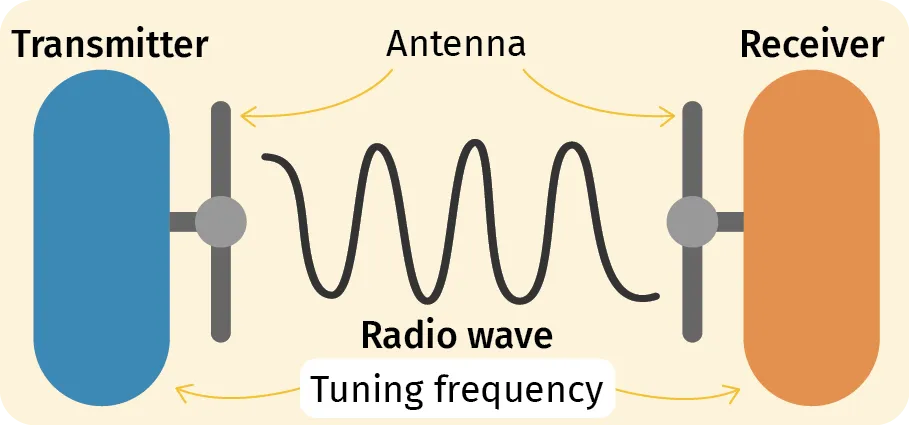
“How does a radio work?”, Physics Insight, 2020.
Vidéo associée
Ressource affichée de l'autre côté.
Faites défiler pour voir la suite.
Faites défiler pour voir la suite.
Radio waves are a type of electromagnetic energy that can travel through the air without wires (which is why radio is also called “wireless”). Because of their long wavelengths, they can carry signals over great distances, making large-scale communication possible.
First used for broadcasting voice and music, radio-wave technology now supports many modern systems, including mobile phones, Wi-Fi, GPS and satellite links. Today's connected world still relies on the same scientific foundations developed in the early days of radio.
First used for broadcasting voice and music, radio-wave technology now supports many modern systems, including mobile phones, Wi-Fi, GPS and satellite links. Today's connected world still relies on the same scientific foundations developed in the early days of radio.
Ressource affichée de l'autre côté.
Faites défiler pour voir la suite.
Faites défiler pour voir la suite.
2
Timeless tech

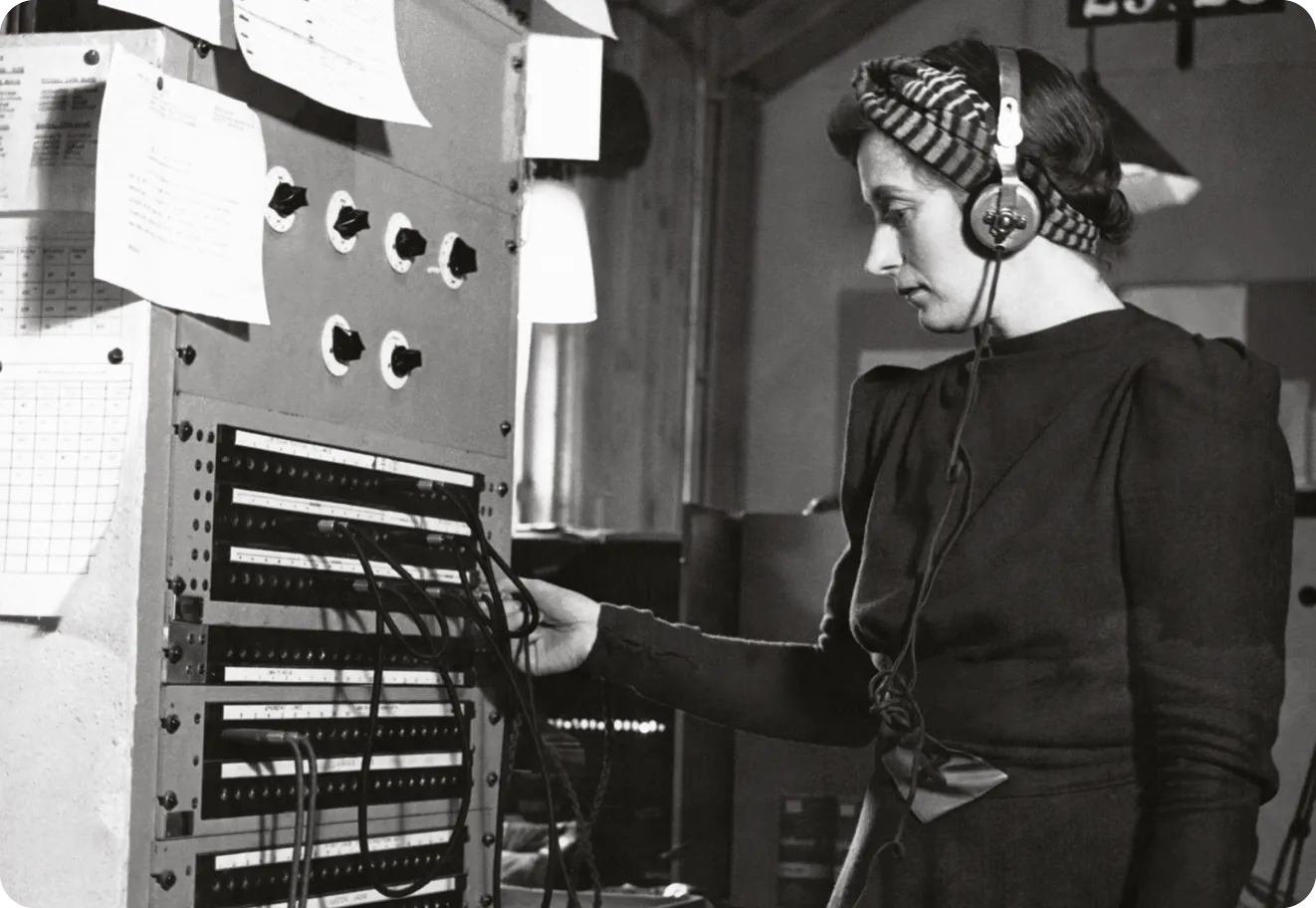
“How radio survived every tech revolution”, Ofcom, 2025.
Vidéo associée
Several inventors in Europe and
North America experimented
with wireless signals in the
late 19th century. In 1896,
it was Guglielmo Marconi,
an Italian scientist working in
the UK, who patented the first
apparatus for long-distance
radio communication. Marconi's
invention was later credited
with saving the lives of the 700
people who survived the tragic
Titanic disaster in 1913 .
Ressource affichée de l'autre côté.
Faites défiler pour voir la suite.
Faites défiler pour voir la suite.
Communication
1-A
Find quotes in the documents that show how radio changed the way people communicate.
2-A
In your own words, explain why radio remained popular even after the invention of TV, CDs, and streaming.
3-A
Pick one example of how radio connects with audiences today. Why is it still important?
Ressource affichée de l'autre côté.
Faites défiler pour voir la suite.
Faites défiler pour voir la suite.
Science
1-B
Explain in your own words what modulation is and why it is necessary for radio communication.
2-B
How do AM and FM radio transmit sound differently? Explain in your own words.
3-B
Pick one technological change and explain how it allowed radio to reach more people.
Ressource affichée de l'autre côté.
Faites défiler pour voir la suite.
Faites défiler pour voir la suite.
Over to you!
Communication
Create a social media post.
Create a visual social media post aimed at teenagers today, explaining why radio is still important and how it connects people. Include interesting facts or quotes you found in the documents.
Science
Create a poster.
Design a “radio timeline” poster showing the key technological changes in radio from the first transmitters to digital broadcasting. For each step, include a simple diagram and a short explanation.
Une erreur sur la page ? Une idée à proposer ?
Nos manuels sont collaboratifs, n'hésitez pas à nous en faire part.
j'ai une idée !
Oups, une coquille