Vue papier
Découvrez la vue papier en cliquant ici
Unit 14
Book Club
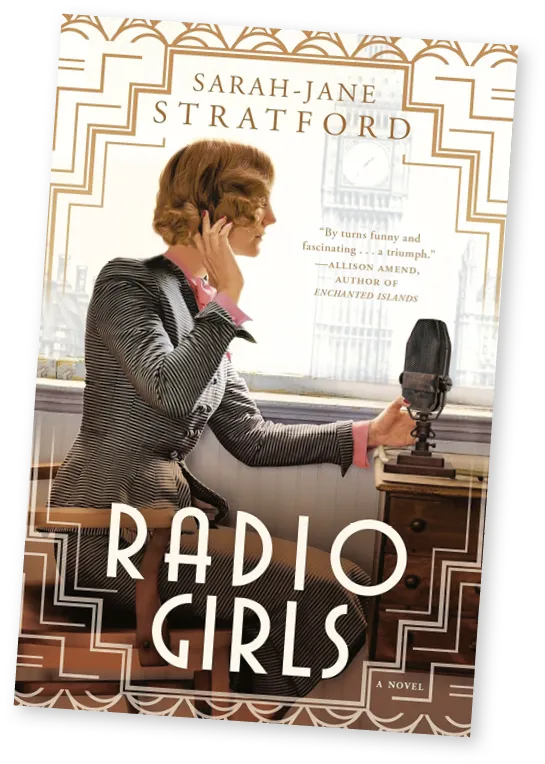
Radio Girls
Ressource affichée de l'autre côté.
Faites défiler pour voir la suite.
Faites défiler pour voir la suite.
Radio Girls is a captivating historical novel set in 1920s London, following
the spirited and ambitious Maisie Musgrave as she lands a job at the
newly formed BBC. Immersed in the exciting world of early radio, Maisie
finds herself working alongside real-life broadcasting pioneer Hilda
Matheson. But as she uncovers a secret web of espionage and political
intrigue, Maisie is drawn into a high-stakes mystery that could threaten
everything she's worked for.

Ressource affichée de l'autre côté.
Faites défiler pour voir la suite.
Faites défiler pour voir la suite.
Texte
Radio Girls
After months of unemployment, with only the occasional two or three days of work that everyone was sure would turn into something more substantial and never did, Maisie was at last invited to interview for a full-time position. A junior secretary was needed at the BBC. “I do hope it's for whoever it is who puts on the plays and things,” Lola said at least once a day, with some variation. [...]
Lola and the other boarders all had friends willing to host “listening in” parties, where everyone gathered to enjoy something or other from the BBC, usually the plays or music, but of late the Talks. Maisie was not so lucky, which was part of why she was so interested to know more. She secretly agreed with Mrs. Crewe that there was something terrifying about a disembodied voice, and it was bizarre that it could originate from another part of London and yet sound as clear as someone sitting across the table. A lot of people were afraid of the wireless, certain that all this new technology was a harbinger of evil spirits, or a means of bridging the gap to the spirit world. Maisie wasn't sure what she believed. [...]
Outside the handsome stone building with the brass sign reading: BRITISH BROADCASTING COMPANY beside the door. Maisie laid her fingers on the dark wooden door, feeling the pull of a place bursting with life. She forced her hand to stop shaking and to remember how to work a doorknob. The door opened onto a vast reception room, vehemently modern, with a marble floor polished to the gleam and hazard of a skating rink and wallpaper featuring incongruous tropical trees. [...]
The BBC had existed only four years, so Maisie didn't expect the sort of ponderous grandeur that characterized a steady establishment, places that filled her with awe, wonder, and desire. The sort of places she dreamed of spending her days in, and her nights, too. Savoy Hill was a different narcotic. The bright, pulsing energy of the new, of a staff enveloped in a technological marvel. Behind some of these doors, people were certainly shut in soundproof rooms, speaking out to the nation. But in the corridors, it was a rush of thundering feet and rustling paper and rapid conversation. [...]
“Here.” Miss Shields thrust several heavy folders into her arms, papers peeking out from the string binding, yearning to breathe free. “These belong to the Talks Department. I can't think how they came to be here. Oh, and this.” She added a large brown envelope with the imposing words: “Interoffice Memo: Dir. Talks H. Matheson” emblazoned across it. She also added a disparaging sniff. “You remember where the Talks Department is.” Since it was a statement, not a question, Maisie pressed her tongue to the roof of her mouth and nodded. Let's see. It was on the fourth floor, I think, and at the far end of the corridor. Or, no, wait. Maybe it was down this way... [...]
Her reward at last, a crisp, polished sign on a door, glistening with newness: DIRECTOR OF TALKS – H. MATHESON. She took a deep breath, rehearsing an apology as she crept to the office. The door was ajar. Maisie peered in and saw a severely tidy desk. [...] A pile of books. A green leather diary. Maisie chewed her lip as she studied the desk, wondering where to lay her burden. “Hallo. Is it anything urgent?” Maisie shrieked, and the papers went flying. She whirled to see a woman sitting on the floor by the fireplace, smiling up at her. “Are you off your nuts?” Maisie cried. [...] The woman chuckled. Maisie couldn't understand her ease. If she had been caught lounging on an office floor – not that she would ever contemplate such an action – she'd be lucky to retrieve her hat and coat before being shown the door. But this woman was utterly unruffled. She took a luxurious sip of tea, set her cup on a lacquered tray, and swung to her feet with an almost acrobatic leap. [...]
“Are you... ? I, er, I thought the director of Talks didn't have a secretary,” Maisie said.
“Not as such, no, and that's something that badly needs rectifying,” came the jaunty reply. Maisie had an uneasy sense of being read from the inside out, despite the placid sweetness of the huge blue eyes. The woman was rather lovely, with soft blonde hair cut into a wavy bob and an elegant figure in a practical tweed suit. Her skin was the pink and white of first bloom, but Maisie felt sure she was in her thirties. It was just something about her bearing. This was a woman who had seen and done things.
And now she had seen the interoffice envelope, addressed to the Director of Talks.
“Ah!” she cried, catching up and opening it.
Maisie was galvanised. “No! That's for Mr Matheson, Miss Shields said.”
“I know of two Mr. Mathesons, and neither are here.” The woman grinned. She had the air of an infinitely patient teacher. [...]
“You... are you... the Director of Talks?”
Lola and the other boarders all had friends willing to host “listening in” parties, where everyone gathered to enjoy something or other from the BBC, usually the plays or music, but of late the Talks. Maisie was not so lucky, which was part of why she was so interested to know more. She secretly agreed with Mrs. Crewe that there was something terrifying about a disembodied voice, and it was bizarre that it could originate from another part of London and yet sound as clear as someone sitting across the table. A lot of people were afraid of the wireless, certain that all this new technology was a harbinger of evil spirits, or a means of bridging the gap to the spirit world. Maisie wasn't sure what she believed. [...]
Outside the handsome stone building with the brass sign reading: BRITISH BROADCASTING COMPANY beside the door. Maisie laid her fingers on the dark wooden door, feeling the pull of a place bursting with life. She forced her hand to stop shaking and to remember how to work a doorknob. The door opened onto a vast reception room, vehemently modern, with a marble floor polished to the gleam and hazard of a skating rink and wallpaper featuring incongruous tropical trees. [...]
The BBC had existed only four years, so Maisie didn't expect the sort of ponderous grandeur that characterized a steady establishment, places that filled her with awe, wonder, and desire. The sort of places she dreamed of spending her days in, and her nights, too. Savoy Hill was a different narcotic. The bright, pulsing energy of the new, of a staff enveloped in a technological marvel. Behind some of these doors, people were certainly shut in soundproof rooms, speaking out to the nation. But in the corridors, it was a rush of thundering feet and rustling paper and rapid conversation. [...]
“Here.” Miss Shields thrust several heavy folders into her arms, papers peeking out from the string binding, yearning to breathe free. “These belong to the Talks Department. I can't think how they came to be here. Oh, and this.” She added a large brown envelope with the imposing words: “Interoffice Memo: Dir. Talks H. Matheson” emblazoned across it. She also added a disparaging sniff. “You remember where the Talks Department is.” Since it was a statement, not a question, Maisie pressed her tongue to the roof of her mouth and nodded. Let's see. It was on the fourth floor, I think, and at the far end of the corridor. Or, no, wait. Maybe it was down this way... [...]
Her reward at last, a crisp, polished sign on a door, glistening with newness: DIRECTOR OF TALKS – H. MATHESON. She took a deep breath, rehearsing an apology as she crept to the office. The door was ajar. Maisie peered in and saw a severely tidy desk. [...] A pile of books. A green leather diary. Maisie chewed her lip as she studied the desk, wondering where to lay her burden. “Hallo. Is it anything urgent?” Maisie shrieked, and the papers went flying. She whirled to see a woman sitting on the floor by the fireplace, smiling up at her. “Are you off your nuts?” Maisie cried. [...] The woman chuckled. Maisie couldn't understand her ease. If she had been caught lounging on an office floor – not that she would ever contemplate such an action – she'd be lucky to retrieve her hat and coat before being shown the door. But this woman was utterly unruffled. She took a luxurious sip of tea, set her cup on a lacquered tray, and swung to her feet with an almost acrobatic leap. [...]
“Are you... ? I, er, I thought the director of Talks didn't have a secretary,” Maisie said.
“Not as such, no, and that's something that badly needs rectifying,” came the jaunty reply. Maisie had an uneasy sense of being read from the inside out, despite the placid sweetness of the huge blue eyes. The woman was rather lovely, with soft blonde hair cut into a wavy bob and an elegant figure in a practical tweed suit. Her skin was the pink and white of first bloom, but Maisie felt sure she was in her thirties. It was just something about her bearing. This was a woman who had seen and done things.
And now she had seen the interoffice envelope, addressed to the Director of Talks.
“Ah!” she cried, catching up and opening it.
Maisie was galvanised. “No! That's for Mr Matheson, Miss Shields said.”
“I know of two Mr. Mathesons, and neither are here.” The woman grinned. She had the air of an infinitely patient teacher. [...]
“You... are you... the Director of Talks?”
Ressource affichée de l'autre côté.
Faites défiler pour voir la suite.
Faites défiler pour voir la suite.
a) Contrast the
different characters'
perception of the radio
at the time.
Ressource affichée de l'autre côté.
Faites défiler pour voir la suite.
Faites défiler pour voir la suite.
b) How does Maisie
feel when she arrives
there?
Ressource affichée de l'autre côté.
Faites défiler pour voir la suite.
Faites défiler pour voir la suite.
c) What is the
atmosphere like
inside the building?
Ressource affichée de l'autre côté.
Faites défiler pour voir la suite.
Faites défiler pour voir la suite.
d) What is Miss
Shields' attitude
towards Maisie?
Ressource affichée de l'autre côté.
Faites défiler pour voir la suite.
Faites défiler pour voir la suite.
e) Describe the
woman's behaviour.
How does Maisie
react to it?
Ressource affichée de l'autre côté.
Faites défiler pour voir la suite.
Faites défiler pour voir la suite.
f) Why is Maisie
confused?
Ressource affichée de l'autre côté.
Faites défiler pour voir la suite.
Faites défiler pour voir la suite.
g) Why is her role a
surprise to Maisie?
Ressource affichée de l'autre côté.
Faites défiler pour voir la suite.
Faites défiler pour voir la suite.
Sarah-Jane Stratford is an American author and journalist best known for
her historical novels Radio Girls and Red Letter Days. Born and raised in
Los Angeles, she studied history at the University of California, Santa Cruz,
and earned a master's degree in medieval history from the University of
York in England. Stratford has written for major publications including
The Guardian, The Boston Globe, Slate, and Marie Claire, often focusing
on women's voices.


Ressource affichée de l'autre côté.
Faites défiler pour voir la suite.
Faites défiler pour voir la suite.
A letter from Maisie
After an eventful first day at the BBC, Maisie writes a letter to a family member describing everything she experienced. Share her excitement, nerves, and curiosity, using details from the text to make the letter lively. End with her hopes or questions, and make sure her personality comes through.
After an eventful first day at the BBC, Maisie writes a letter to a family member describing everything she experienced. Share her excitement, nerves, and curiosity, using details from the text to make the letter lively. End with her hopes or questions, and make sure her personality comes through.
Une erreur sur la page ? Une idée à proposer ?
Nos manuels sont collaboratifs, n'hésitez pas à nous en faire part.
j'ai une idée !
Oups, une coquille