Vue papier

Découvrez la vue papier en cliquant ici
Case Study 1
Axe 1
Objet d'étude 1
O Canada: land of immigrants
Ressource affichée de l'autre côté.
Faites défiler pour voir la suite.
Faites défiler pour voir la suite.
Contribute to a special issue of TIME magazine.
The editor-in-chief of TIME magazine has asked you to collaborate on a special issue about Canada and its multicultural identity. Each team will investigate one aspect of Canada's diversity by writing an article based on a document. Then, you will bring all your articles together, choose powerful images and titles, and design your own magazine spread.
The editor-in-chief of TIME magazine has asked you to collaborate on a special issue about Canada and its multicultural identity. Each team will investigate one aspect of Canada's diversity by writing an article based on a document. Then, you will bring all your articles together, choose powerful images and titles, and design your own magazine spread.


Ressource affichée de l'autre côté.
Faites défiler pour voir la suite.
Faites défiler pour voir la suite.
1
A land of many cultures
ang1-cs1-step1.mp3
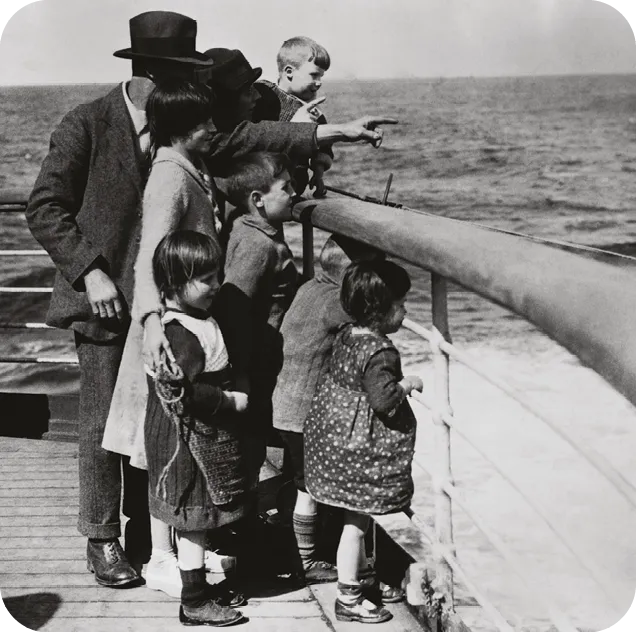
At the turn of the 20th century, Canada needed people.
These were boom times in the Dominion. Canadian wheat was in great demand around the world and the country's immense prairies needed tilling. At the same time, Canada's flourishing industries demanded a huge labour force.
Britain and the United States were the traditional sources of immigrants to English-speaking Canada but now their numbers weren't enough. So Canada cast its net wider.
In 1896, the man in charge of immigration, Clifford Sifton, set about luring non-English speaking people from across Europe. In particular, East Europeans fit Sifton's image of the sturdy peasant farmer.
The rapid increase in Canada's western population prompted the creation of two new provinces in 1905: Alberta and Saskatchewan. More than half of the immigrants settled on the Prairies while thousands of others chose to settle in Quebec and Ontario.
In Quebec, and particularly in Montreal, Jewish and Italian communities put down roots in large numbers between 1900 and 1930.
For some immigrants, the Canadian dream was more like a nightmare. On the Prairies life was hard and newcomers often lived in poverty. Many had to work away from the farm, in mining, railway building, lumbering to make ends meet. Europeans who settled in the cities encountered slum-like conditions and were the target of resentment from other Canadians.
In British Columbia, Chinese immigrants were treated with more resentment than the European newcomers. First brought over to Canada to provide cheap labour for railway construction, Chinese Canadians encountered extreme prejudice and eventually violence as they tried to make a new life in Canada.
Despite the hardships, the world kept coming to Canada's doorstep. More than a million immigrants arrived between 1896 and 1905. And the newcomers made their mark. In a few short years, the look of Canada changed; a cultural mosaic had emerged.
These were boom times in the Dominion. Canadian wheat was in great demand around the world and the country's immense prairies needed tilling. At the same time, Canada's flourishing industries demanded a huge labour force.
Britain and the United States were the traditional sources of immigrants to English-speaking Canada but now their numbers weren't enough. So Canada cast its net wider.
In 1896, the man in charge of immigration, Clifford Sifton, set about luring non-English speaking people from across Europe. In particular, East Europeans fit Sifton's image of the sturdy peasant farmer.
The rapid increase in Canada's western population prompted the creation of two new provinces in 1905: Alberta and Saskatchewan. More than half of the immigrants settled on the Prairies while thousands of others chose to settle in Quebec and Ontario.
In Quebec, and particularly in Montreal, Jewish and Italian communities put down roots in large numbers between 1900 and 1930.
For some immigrants, the Canadian dream was more like a nightmare. On the Prairies life was hard and newcomers often lived in poverty. Many had to work away from the farm, in mining, railway building, lumbering to make ends meet. Europeans who settled in the cities encountered slum-like conditions and were the target of resentment from other Canadians.
In British Columbia, Chinese immigrants were treated with more resentment than the European newcomers. First brought over to Canada to provide cheap labour for railway construction, Chinese Canadians encountered extreme prejudice and eventually violence as they tried to make a new life in Canada.
Despite the hardships, the world kept coming to Canada's doorstep. More than a million immigrants arrived between 1896 and 1905. And the newcomers made their mark. In a few short years, the look of Canada changed; a cultural mosaic had emerged.
Ressource affichée de l'autre côté.
Faites défiler pour voir la suite.
Faites défiler pour voir la suite.

Ressource affichée de l'autre côté.
Faites défiler pour voir la suite.
Faites défiler pour voir la suite.
Step 1
1
Identify countries where immigrants to Canada came from.
2
List the reasons why Canada needed immigrants.
3
Pay attention to the consequences of immigration for Canada and for the immigrants. What were some of the obstacles immigrants had to face?
Action!
Imagine and write a short diary entry in the voice of an immigrant arriving in Canada around 1900.
Ressource affichée de l'autre côté.
Faites défiler pour voir la suite.
Faites défiler pour voir la suite.
2A single immigration process

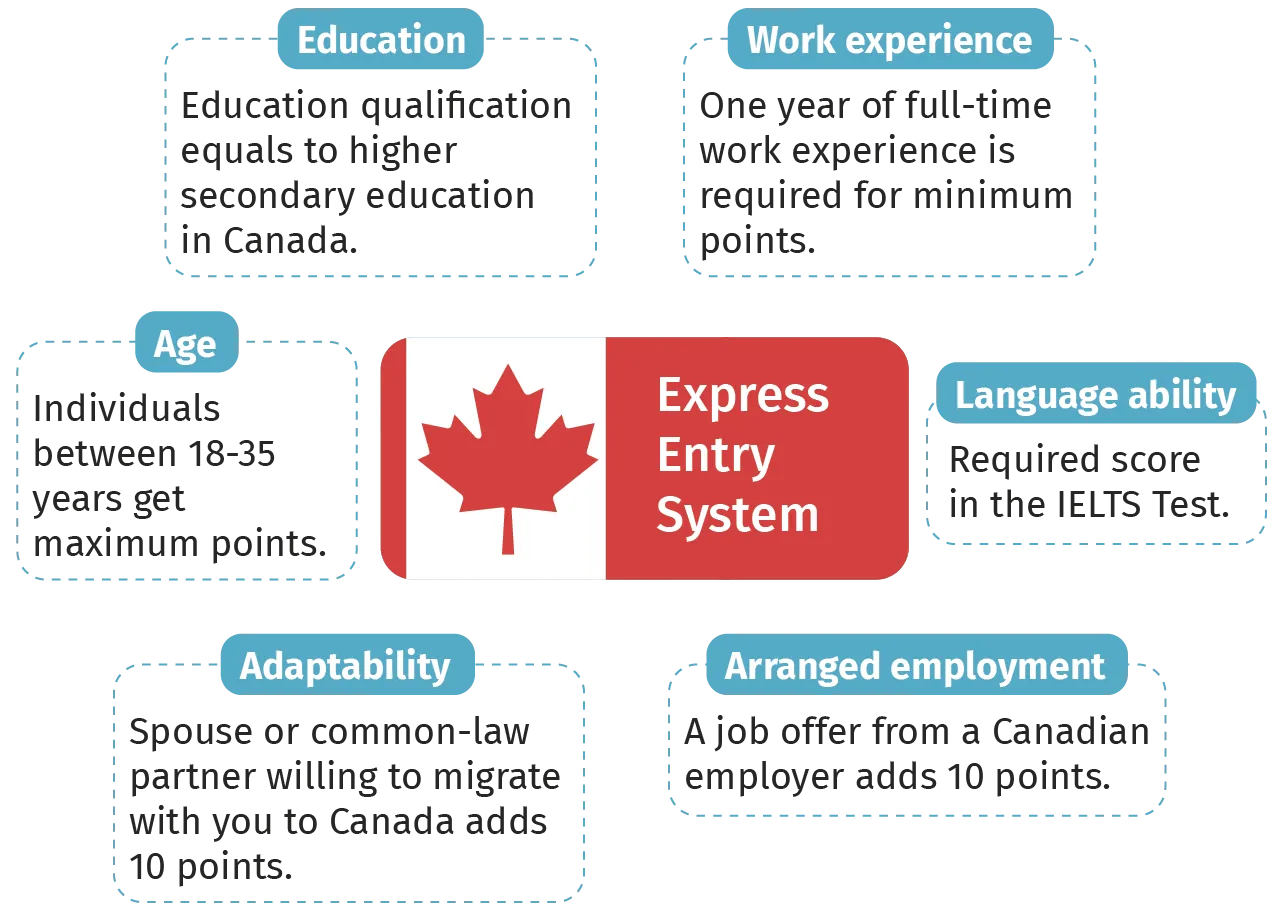
Canada's immigration system: an overview.
Vidéo associée
Ressource affichée de l'autre côté.
Faites défiler pour voir la suite.
Faites défiler pour voir la suite.
Step 2
Look at the infographic.
1
List the requirements needed to immigrate to Canada.
2
Identify the reasons why Canada welcomes immigrants.
3
How are immigrants selected?
Action!
Write an article entitled "How to Immigrate to Canada: What You Should Know".
Ressource affichée de l'autre côté.
Faites défiler pour voir la suite.
Faites défiler pour voir la suite.
3
Encouraging multiculturalism while preserving identity

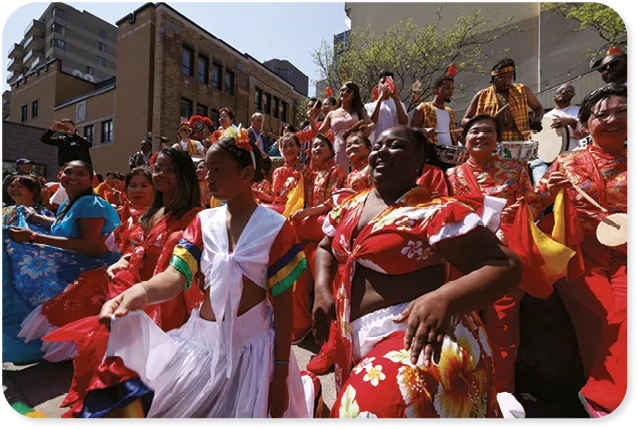
Canada has long been celebrated as one of the world's most diverse and inclusive countries. A recent study highlights that 84% of Canadians successfully balance their cultural heritage with their Canadian identity. This reflects a unique shift in the nation's cultural landscape where diversity is no longer an addition but a core element of being Canadian.
Traditionally, Canadian identity was often associated with shared values like politeness, love for hockey, and snowy winters. Today, it has evolved into something much more dynamic. According to research, Canadians now see their multicultural heritage as integral to their national identity.
Key findings reveal: 84% of Canadians feel they can express their cultural roots while proudly identifying as Canadian. Younger generations, particularly Gen Z and second- generation Canadians, are emerging as bridges connecting various cultural communities. 77% of respondents believe that cultural diversity is central to Canada's identity. Canada's multicultural fabric represents an evolving narrative where identities coexist harmoniously, creating a stronger and more unified nation.
Traditionally, Canadian identity was often associated with shared values like politeness, love for hockey, and snowy winters. Today, it has evolved into something much more dynamic. According to research, Canadians now see their multicultural heritage as integral to their national identity.
Key findings reveal: 84% of Canadians feel they can express their cultural roots while proudly identifying as Canadian. Younger generations, particularly Gen Z and second- generation Canadians, are emerging as bridges connecting various cultural communities. 77% of respondents believe that cultural diversity is central to Canada's identity. Canada's multicultural fabric represents an evolving narrative where identities coexist harmoniously, creating a stronger and more unified nation.
Ressource affichée de l'autre côté.
Faites défiler pour voir la suite.
Faites défiler pour voir la suite.
Step 3
1
Read the text and pick out the traditional symbols associated with Canadian identity.
2
What do the figures reveal?
3
Pick out quotes showing how multiculturalism is now part of Canadian identity.
4
In your opinion, how does multiculturalism make a country stronger?
Action!
Create an op-ed, or opinion piece, about the importance of multiculturalism for Canadian identity.
Ressource affichée de l'autre côté.
Faites défiler pour voir la suite.
Faites défiler pour voir la suite.
The Canadian Multiculturalism Act of 1988 provided a legislative framework to the existing policy of multiculturalism and expanded its focus. The act sought to protect the cultural heritage of all Canadians, reduce discrimination, and encourage the implementation of multicultural programs. Canada was the first country to pass a national multiculturalism law.
Ressource affichée de l'autre côté.
Faites défiler pour voir la suite.
Faites défiler pour voir la suite.
4
Listening to different perspectives

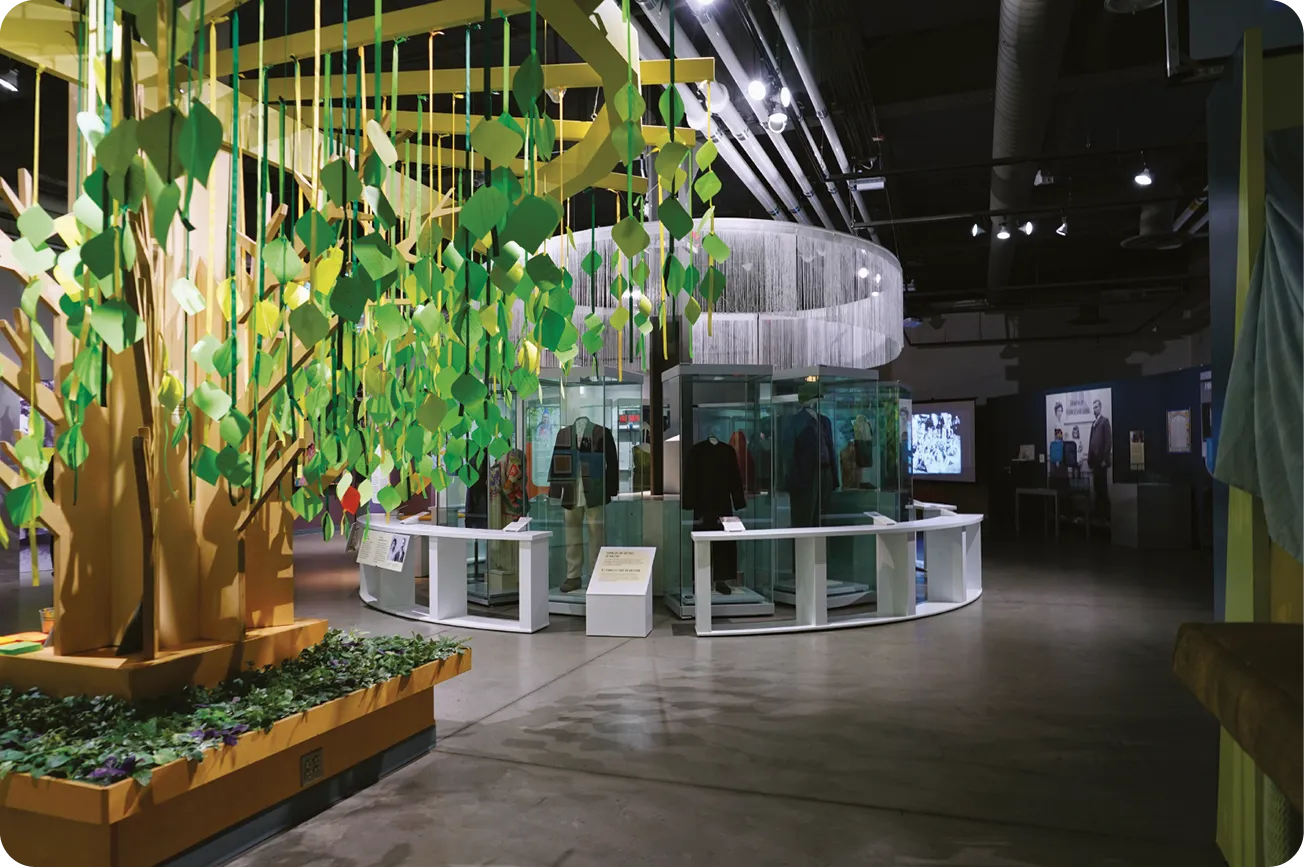
Oral histories exhibition, Canadian Museum of Immigration at Pier 21, Halifax.
Vidéo associée
From 0:00 to 2:54Ressource affichée de l'autre côté.
Faites défiler pour voir la suite.
Faites défiler pour voir la suite.
Step 4
1
What types of stories are presented in the museum?
2
What do these stories help people understand?
3
Pick out feelings shared in the video. What challenges did the people interviewed face?
Action!
Choose one voice to feature in your special issue. Write a moving first-person testimony, sharing their journey, hopes and struggles.
Ressource affichée de l'autre côté.
Faites défiler pour voir la suite.
Faites défiler pour voir la suite.
5The new immigration debate


Mark Carney, Canada's Prime Minister, during a news conference in Ottawa, Ontario, Canada, 2025.
Vidéo associée
Ressource affichée de l'autre côté.
Faites défiler pour voir la suite.
Faites défiler pour voir la suite.
Step 5
1
What does Mark Carney mean when he calls Canada's immigration system "unsustainable"?
2
What does the survey reveal about Canadian people's opinions on immigration?
3
Focus on quotes showing people's reactions and opinions on the matter.
Action!
Write a short dialogue between two people who see Canada's new immigration policy differently. Let the debate highlight both sides of the issue!
Ressource affichée de l'autre côté.
Faites défiler pour voir la suite.
Faites défiler pour voir la suite.
6
“We All Live on Indigenous Land”
ang1-cs1-step6.mp3
Nearly 22% of Canada's population was born outside Canada, and Canada plans to welcome another 1.2 million new Canadians by 2023. What do these newest residents learn and know about the original stewards of the land – about Indigenous Peoples, cultures and lived experiences?
New immigrants, as well as all the citizens and residents of these lands, undertake the responsibility to know Canada's shared truth and history. But newcomers who arrive in Canada have very few opportunities to learn about Indigenous Peoples' cultures and lived experiences.
To further the work surrounding the education of Indigenous Peoples' histories, cultures, and lived experiences for newcomers, we undertook new research and engagement on how to support relationship building and truth telling between newcomers and Indigenous Peoples. We identified 25 recommendations to aid in building this knowledge and connections, which fall under five overarching goals.
Goal 1: Centre Indigenous Peoples and histories in agencies through training, technology and inclusion.
Goal 2: Increase Indigenous participation and understanding within immigration policy-making.
Goal 3: Enhance newcomers' education on Indigenous Peoples' histories, cultures and lived experiences.
Goal 4: Increase Indigenous awareness in settlement services.
Goal 5: Enhance Indigenous awareness through community engagement and self-learning.
These goals and recommendations aim to enhance newcomers' understanding of Canada's history, and in doing so, create a national identity that is accountable to truth.
New immigrants, as well as all the citizens and residents of these lands, undertake the responsibility to know Canada's shared truth and history. But newcomers who arrive in Canada have very few opportunities to learn about Indigenous Peoples' cultures and lived experiences.
To further the work surrounding the education of Indigenous Peoples' histories, cultures, and lived experiences for newcomers, we undertook new research and engagement on how to support relationship building and truth telling between newcomers and Indigenous Peoples. We identified 25 recommendations to aid in building this knowledge and connections, which fall under five overarching goals.
Goal 1: Centre Indigenous Peoples and histories in agencies through training, technology and inclusion.
Goal 2: Increase Indigenous participation and understanding within immigration policy-making.
Goal 3: Enhance newcomers' education on Indigenous Peoples' histories, cultures and lived experiences.
Goal 4: Increase Indigenous awareness in settlement services.
Goal 5: Enhance Indigenous awareness through community engagement and self-learning.
These goals and recommendations aim to enhance newcomers' understanding of Canada's history, and in doing so, create a national identity that is accountable to truth.
Ressource affichée de l'autre côté.
Faites défiler pour voir la suite.
Faites défiler pour voir la suite.


Marley Fairfield dances on the National Truth and Reconciliation Day in Toronto, 2024.
Vidéo associée
Ressource affichée de l'autre côté.
Faites défiler pour voir la suite.
Faites défiler pour voir la suite.
Step 6
1
What is the main message of the Action Canada report?
2
What challenges are mentioned in the video and report?
3
Which of the five goals do you think would have the biggest impact on helping immigrants understand Canada's history better? Why?
Action!
In the final article, explain why it's important for all Canadians (newcomers and long-time residents alike) to learn about indigenous histories and cultures.
Ressource affichée de l'autre côté.
Faites défiler pour voir la suite.
Faites défiler pour voir la suite.
Ready...
- Focus on your article. Include key facts and relevant vocabulary and expressions from the documents.
- Proofread your work and prepare a short explanation to share with your teammates.
Steady...
- As a team, share your work and plan the layout of the magazine spread.
- Imagine powerful titles for your articles. Select the pictures that will illustrate them.
Go!
- Create your spread using a collage technique or an online tool.
- Make sure that your pages are attractive and make people want to learn more!
Une erreur sur la page ? Une idée à proposer ?
Nos manuels sont collaboratifs, n'hésitez pas à nous en faire part.
j'ai une idée !
Oups, une coquille