Unit 3
Book Club
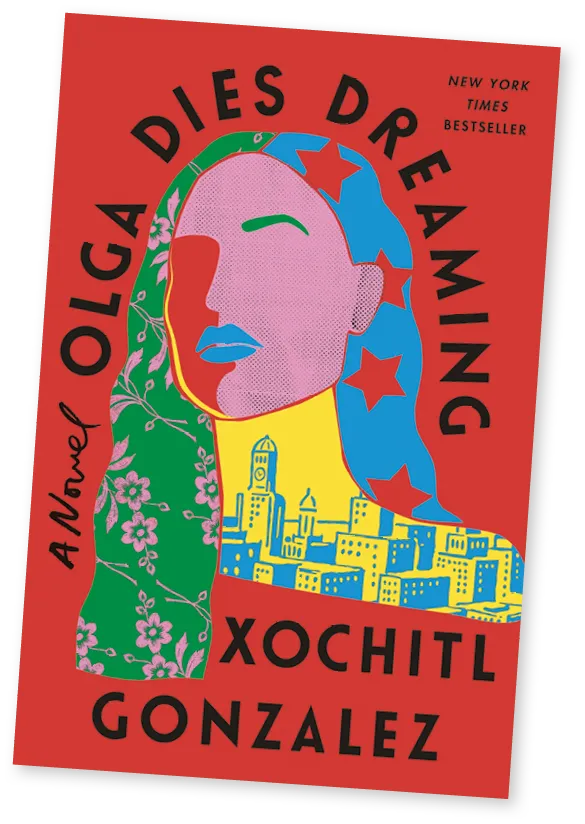
Olga Dies Dreaming
Ressource affichée de l'autre côté.
Faites défiler pour voir la suite.
Faites défiler pour voir la suite.
Olga Dies Dreaming is the story of Olga and her brother, Pedro “Prieto” Acevedo. Prieto is a popular congressman representing their gentrifying Latino neighborhood in Brooklyn, while Olga is the high-end wedding planner for Manhattan's power brokers. Despite their alluring public lives, behind closed doors things are far less rosy. Sure, Olga can orchestrate the love stories of the one percent, but she can't seem to find her own… until she meets Matteo.

Ressource affichée de l'autre côté.
Faites défiler pour voir la suite.
Faites défiler pour voir la suite.
Texte
Olga Dies Dreaming
Noir was a satiating place to be sad, Olga thought as she sidled up to the bar and ordered her usual. Filled with regulars who seemed to have nowhere to be and no one who cared if they made it there, it lacked the sense of possibility that the newer spots in her rapidly gentrifying corner of Brooklyn conveyed. There were no reclaimed woods or cleverly reimagined industrial lamps with Edison bulbs lighting the place. Noir was more like a well-insulated garage, illuminated by mismatched lamps and filled with old kitchen stools, in a completely unironic way. The air-conditioning was weak, so on warm days like this one, you were never quite hot, but never quite cool, either. Its major draw, for Olga anyway, was its jukebox, filled with old funk and R & B from the '70s, '80s, and '90s. [...] When she made her way back to her seat, she felt a hovering presence behind her.
“Can I help you?” she turned to say.
Before her was a swarthy, unfamiliar fellow. A sad sack who, though she had never seen him before, had escaped her attention because he blended in so well with the other pouty faces. [...]
“Are you a writer or an artist?”
“I'm a wedding planner.”
“I'm a Realtor.”
“I didn't ask.”
Yet something about that descriptor made her give the stranger another look. He was disheveled. His button-down shirt wrinkled, a rolled-up tie spilling out of his pocket. He carried under his arm an oversized ledger notebook with dog-eared pages and Post-its and business cards sticking out of the ends. He was wearing a massive JanSport book bag, stuffed like that of an overachieving eighth grader from an era before laptop computers.
“Wait, you're a Realtor?”
“Yeah. You looking for a place? Interested in exploring life in New Brooklyn?”
She was insulted. “Psssh. F*** outta here! I bleed Old Brooklyn, thank you very much. My family's been in Sunset Park since the sixties. One of the first Puerto Rican families in the 'hood and we owned our house.”
Now the stranger appraised her. “Really, now? Impressive given the redlining going on back in the day.”
“My grandmother was gangster. Never involved a bank. Bought our house from her landlord, cash. He sold it to her for a song when the area got too Brown for his taste.”
“Is that right? Well congratulations to your abuela for taking advantage of white flight.” Olga couldn't help but laugh.
“¡Salud!” She raised her glass and drank the last of the wine in it.
“I'm from South Slope,” the stranger offered. “In case you were wondering.”
She hadn't been, but now paused. “Really? Born and raised?”
“Born and raised.”
On the rare occasions that Olga met a fellow native, she was always surprised by how relaxed it made her feel. Like she could slip into a dying tongue and talk about the old country.
“So, listen, don't take this the wrong way or anything, but from one Brooklynite to another, I've got to ask you something.”
He laughed. “Shoot. But I'm already gonna take this the wrong way because nobody starts with that if they're going to say something positive.”
She smiled. “So, this neighborhood is hot right now. Luxury properties. New money coming in. The Realtors I know are all kind of slick and polished…”
“And you want to know how I get away with looking like a crazy community college professor?”
“Yeah, I guess that's what I was getting at.”
He took his backpack off, sidled up to the bar, and leaned in towards her.
“Well, I'm really talented, I'm very smart, I've got some swag, and frankly, I'm well connected. I went to the best schools – literally – Packer, Bennington, the works.”
“That's interesting.”
“You're wondering why I'm just a Realtor?” [...]
Olga laughed and the stranger laughed, and Olga forgot for a second that she wanted to be alone.
The stranger, who'd now sat down on the stool next to her, offered his hand.
“I'm Matteo.”
“Olga.” [...]
“I suppose though,” Matteo offered, “most of us in New York live double lives, with a secret of some sort living behind closed doors.”
“Really? What's your secret?”
“Can I help you?” she turned to say.
Before her was a swarthy, unfamiliar fellow. A sad sack who, though she had never seen him before, had escaped her attention because he blended in so well with the other pouty faces. [...]
“Are you a writer or an artist?”
“I'm a wedding planner.”
“I'm a Realtor.”
“I didn't ask.”
Yet something about that descriptor made her give the stranger another look. He was disheveled. His button-down shirt wrinkled, a rolled-up tie spilling out of his pocket. He carried under his arm an oversized ledger notebook with dog-eared pages and Post-its and business cards sticking out of the ends. He was wearing a massive JanSport book bag, stuffed like that of an overachieving eighth grader from an era before laptop computers.
“Wait, you're a Realtor?”
“Yeah. You looking for a place? Interested in exploring life in New Brooklyn?”
She was insulted. “Psssh. F*** outta here! I bleed Old Brooklyn, thank you very much. My family's been in Sunset Park since the sixties. One of the first Puerto Rican families in the 'hood and we owned our house.”
Now the stranger appraised her. “Really, now? Impressive given the redlining going on back in the day.”
“My grandmother was gangster. Never involved a bank. Bought our house from her landlord, cash. He sold it to her for a song when the area got too Brown for his taste.”
“Is that right? Well congratulations to your abuela for taking advantage of white flight.” Olga couldn't help but laugh.
“¡Salud!” She raised her glass and drank the last of the wine in it.
“I'm from South Slope,” the stranger offered. “In case you were wondering.”
She hadn't been, but now paused. “Really? Born and raised?”
“Born and raised.”
On the rare occasions that Olga met a fellow native, she was always surprised by how relaxed it made her feel. Like she could slip into a dying tongue and talk about the old country.
“So, listen, don't take this the wrong way or anything, but from one Brooklynite to another, I've got to ask you something.”
He laughed. “Shoot. But I'm already gonna take this the wrong way because nobody starts with that if they're going to say something positive.”
She smiled. “So, this neighborhood is hot right now. Luxury properties. New money coming in. The Realtors I know are all kind of slick and polished…”
“And you want to know how I get away with looking like a crazy community college professor?”
“Yeah, I guess that's what I was getting at.”
He took his backpack off, sidled up to the bar, and leaned in towards her.
“Well, I'm really talented, I'm very smart, I've got some swag, and frankly, I'm well connected. I went to the best schools – literally – Packer, Bennington, the works.”
“That's interesting.”
“You're wondering why I'm just a Realtor?” [...]
Olga laughed and the stranger laughed, and Olga forgot for a second that she wanted to be alone.
The stranger, who'd now sat down on the stool next to her, offered his hand.
“I'm Matteo.”
“Olga.” [...]
“I suppose though,” Matteo offered, “most of us in New York live double lives, with a secret of some sort living behind closed doors.”
“Really? What's your secret?”
Ressource affichée de l'autre côté.
Faites défiler pour voir la suite.
Faites défiler pour voir la suite.
a) What kind of atmosphere does Noir have? How does it compare to newer places?
Ressource affichée de l'autre côté.
Faites défiler pour voir la suite.
Faites défiler pour voir la suite.
b) Why does the man wonder if she is a writer or an artist? What about her could suggest that?
Ressource affichée de l'autre côté.
Faites défiler pour voir la suite.
Faites défiler pour voir la suite.
c) Why does Olga feel insulted by the idea of “New Brooklyn”? What does this show about her values?
Ressource affichée de l'autre côté.
Faites défiler pour voir la suite.
Faites défiler pour voir la suite.
d) What does Olga's grandmother's story reveal about early Puerto Rican families in Brooklyn?
Ressource affichée de l'autre côté.
Faites défiler pour voir la suite.
Faites défiler pour voir la suite.
e) Why is Olga surprised when Matteo says he was born in Brooklyn? How does this change her reaction?
Ressource affichée de l'autre côté.
Faites défiler pour voir la suite.
Faites défiler pour voir la suite.
f) Why does Olga ask about Matteo's look as a Realtor? What did she expect?
Ressource affichée de l'autre côté.
Faites défiler pour voir la suite.
Faites défiler pour voir la suite.
g) What does Matteo mean by New Yorkers living “double lives”?
Ressource affichée de l'autre côté.
Faites défiler pour voir la suite.
Faites défiler pour voir la suite.
Xochitl Gonzalez is an American journalist and writer, born in New York City
to a second-generation Puerto Rican mother and Mexican-American father.
In 2021, she began writing the newsletter “Brooklyn, Everywhere” for The Atlantic,
exploring the theme of gentrification in New York through her own experience.
She then turned to fiction, still exploring issues of class and urban change.
She is a New York Times bestselling author and a finalist for the 2023 Pulitzer
Prize in Commentary. Her latest novel, Last Night in Brooklyn, came out in 2026.


Ressource affichée de l'autre côté.
Faites défiler pour voir la suite.
Faites défiler pour voir la suite.
Write a diary entry.
Imagine you're Olga, sitting in Noir after meeting Matteo. He said “Most of us in New York live double lives, with a secret behind closed doors.” Write a diary entry from Olga's perspective, reflecting on that moment. What does it make her think about her own life, her roots, and the neighborhood changing around her? Is she hiding something too?Une erreur sur la page ? Une idée à proposer ?
Nos manuels sont collaboratifs, n'hésitez pas à nous en faire part.
j'ai une idée !
Oups, une coquille