
Unit 6
Activity 1
Seeing the Great Depression
Ressource affichée de l'autre côté.
Faites défiler pour voir la suite.
Faites défiler pour voir la suite.
1New Deal storytelling
New Deal storytelling
In 1935, in the midst of the Great Depression, President Roosevelt needed to generate enthusiasm for his New Deal. The challenge was to find support for investments into programs and services directed primarily to the recovery of rural America, which most city folk had not experienced firsthand. [...]
Among the innovative social programs that were launched at this time were the Resettlement Administration/Farm Security Administration (RA/FSA) and the Works Progress Administration (WPA), which hired photographers and artists to make the travails of rural Americans visible. These artists helped to convince the American people – and Congress – of the urgent need to bring about the recovery of the heartland. [...]
Photographs such as Arthur Rothstein's famous image of a farmer walking from his house in a dust storm enabled people to imagine sand between their teeth and coal dust in their eyes. These images brought home the harsh reality of the “other America,” while depictions of life in urban settings revealed the troubles next door. These government-funded artists documented and, more importantly, shaped how people saw and felt about the Depression, bringing them out of the isolation of their own plights and opening their eyes to the suffering of others.
Among the innovative social programs that were launched at this time were the Resettlement Administration/Farm Security Administration (RA/FSA) and the Works Progress Administration (WPA), which hired photographers and artists to make the travails of rural Americans visible. These artists helped to convince the American people – and Congress – of the urgent need to bring about the recovery of the heartland. [...]
Photographs such as Arthur Rothstein's famous image of a farmer walking from his house in a dust storm enabled people to imagine sand between their teeth and coal dust in their eyes. These images brought home the harsh reality of the “other America,” while depictions of life in urban settings revealed the troubles next door. These government-funded artists documented and, more importantly, shaped how people saw and felt about the Depression, bringing them out of the isolation of their own plights and opening their eyes to the suffering of others.
Ressource affichée de l'autre côté.
Faites défiler pour voir la suite.
Faites défiler pour voir la suite.
2Capturing rural realities

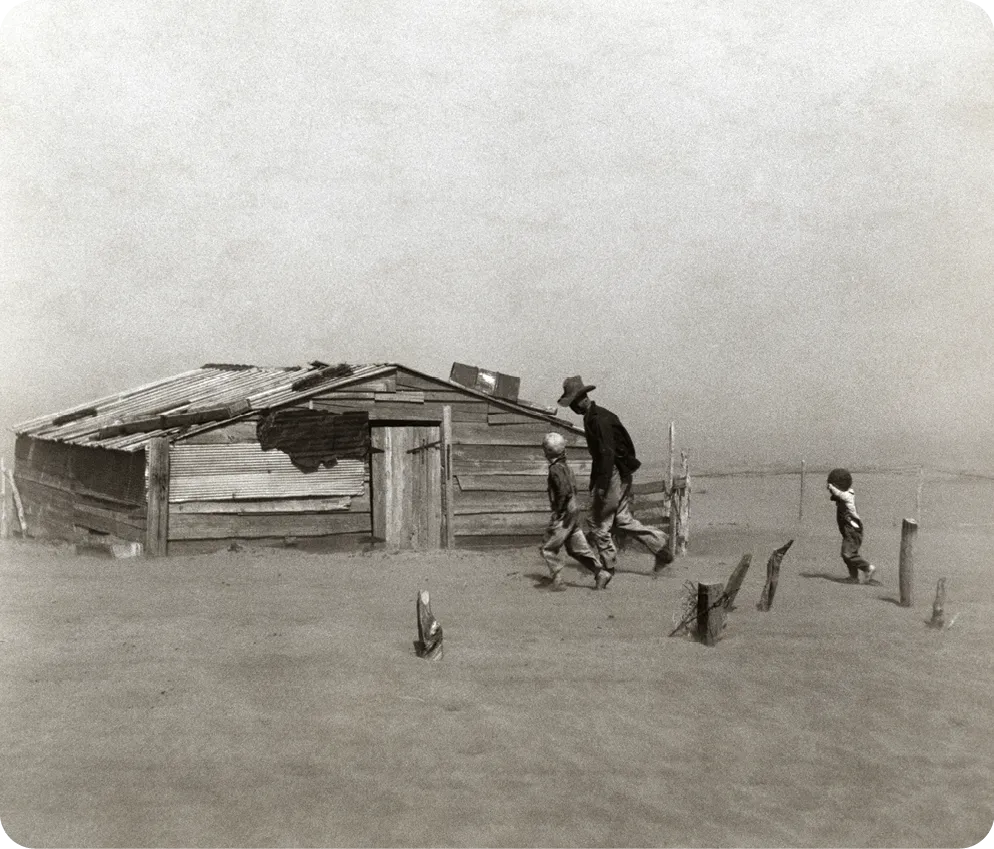
Arthur Rothstein, Dust Storm, Cimarron County, Oklahoma, 1936.
Ressource affichée de l'autre côté.
Faites défiler pour voir la suite.
Faites défiler pour voir la suite.
Questions
1
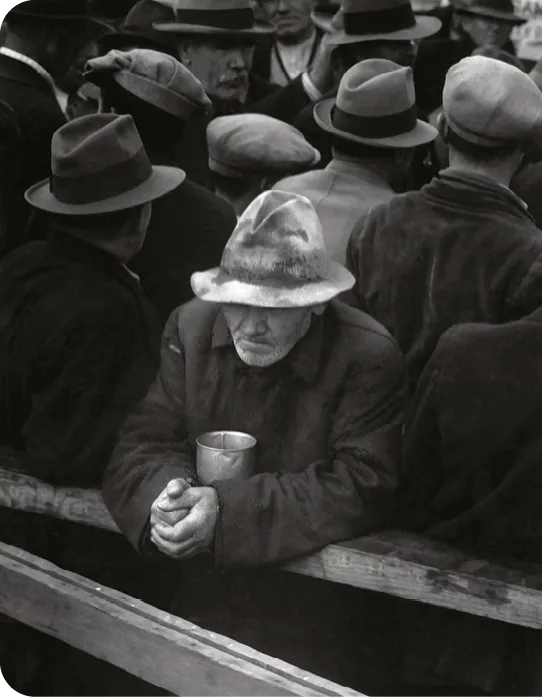
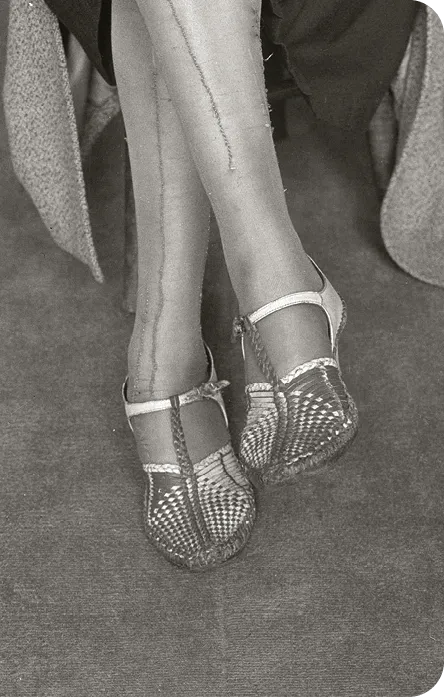
How do the framing and subjects differ between Rothstein's and Lange's
photos? Choose one adjective describing the mood of each image.
2
Identify the reasons why the U.S. government funded photographers and artists
during the Great Depression (from the text and the video).
3
What role did Dorothea Lange's photos play in supporting Roosevelt's New Deal?
Ressource affichée de l'autre côté.
Faites défiler pour voir la suite.
Faites défiler pour voir la suite.
Background check
To what extent can photographs be considered tools for social change?
Ressource affichée de l'autre côté.
Faites défiler pour voir la suite.
Faites défiler pour voir la suite.
Memory snap
After reading and watching, close your eyes, snap your fingers and say as many words from this page as you can in 30 seconds!Cliquez pour accéder à un module d'enregistrement audio
Enregistreur audio
Une erreur sur la page ? Une idée à proposer ?
Nos manuels sont collaboratifs, n'hésitez pas à nous en faire part.
j'ai une idée !
Oups, une coquille