Vue papier

Découvrez la vue papier en cliquant ici
Unit 8
Book Club
Ressource affichée de l'autre côté.
Faites défiler pour voir la suite.
Faites défiler pour voir la suite.
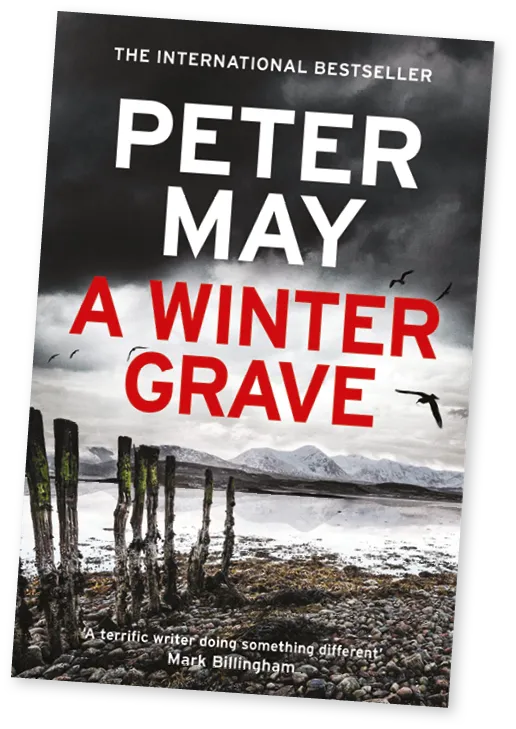
The year is 2051 and climate change is ravaging the world: vast areas are under water, others are too hot to be inhabited while countries like Scotland are hit by snow and ice storms. One day, the body of a missing investigative reporter is found frozen in the ice in a mountain near Loch Leven. Cameron Brodie, a Glaswegian detective, sets out to an isolated Highlands village to investigate this murder case but becomes one of the killer's targets when he is about to discover a chilling secret.

Ressource affichée de l'autre côté.
Faites défiler pour voir la suite.
Faites défiler pour voir la suite.
Texte
A Winter Grave
For a while he had sat on his own in the waiting room, feeling the air thicken with humidity, before an elderly man in a flat cap and dripping grey raincoat pushed open the door and took a seat against the far wall. After the briefest nod of acknowledgement, he had begun amusing himself by stamping on the cockroaches scuttling across the tiles. The hardy German variety of the insect that infested the city had moved indoors to survive the falling temperatures which had come unexpectedly with climate change. The little bastards were hard to kill. Brodie watched, fascinated, for a while, before finding himself drawn by a familiar jingle interrupting a succession of annoying infomercials on the television. The equally irritating jingle was the one adopted by the Eco Party to herald its endless political party broadcasts ahead of the imminent election.
The incumbent Scottish Democratic Party, led by the charismatic Sally Mack, was well ahead in the polls. The SDP, unlike the EP, did not seem to feel the need to constantly badger the electorate for their votes. Which imbued them, somehow, with a reassuring sense of self-confidence, even superiority. The Scottish Tories had long since faded into oblivion, leaving the Ecologists as the only genuine opposition. But there was a sense of desperation in their floundering campaign as election day approached.
Their latest offering was a rerun of the testimony given to a US Senate committee by the famous twentieth-century American scientist Carl Sagan in 1985. Dark hair, greying at the temples, fell carelessly around his large skull. His face was dominated by huge teardrop glasses, a reflection perhaps of his fear for the future. But his voice was almost soporifically calm, despite the tenor of his subject. Climate change. A favourite topic of the Eco Party. A concern, Brodie thought, that was thirty years and more too late. In fact, more than twice that, if Sagan was to be believed.
In his evidence on climate change, he told the senators, ‘Because the effects occupy more than a human generation, there is a tendency to say that they are not our problem. Of course, then, they are nobody's problem. Not on my tour of duty. Not on my term of office. It's something for the next century. Let the next century worry about it.'
Brodie shook his head. They were halfway through the next century, and the fact that nobody had done nearly enough worrying about it was self-evident.
‘And so,' Sagan went on, ‘in this issue, as in so many other issues, we are passing on extremely grave problems to our children, when the time to solve the problems, if they can be solved at all, is now.'
Brodie could barely hear him above the rain hammering on the skylight.
‘The solution to this problem requires a perspective that embraces the planet and the future, because we are all in this greenhouse together.'
Out of interest, Brodie slipped on his new glasses. He felt the magnets lock into place as the legs connected with the earpieces he and his fellow officers had been asked to wear while on duty, and he requested his iCom to scan the Sagan video for authenticity. The old man on the other side of the waiting room looked up momentarily from his cockroach squashing, and wondered who Brodie was talking to.
As his iCom performed its scan, Brodie noticed a cockroach crawling across the lower portion of Sagan's face, reaching his lips as he spoke. Brodie almost expected it to disappear into his mouth, choking off the words of warning. Scan completed, flashed up on his screen. Video authenticated. So, the Eco Party was correct in its assertion that the world had been given notice more than sixty years ago. [...]
Outside, he saw a group of water taxis gathered beneath a cluster of umbrellas at the entrance to the waterlogged car park of the Central Mosque. The drivers were playing cards under black protective oiled cloth, and only by shouting was he able to attract their attention. One of them reluctantly disengaged, swinging his tiller and directing his shallow-draft boat silently in the direction of the medical centre.
‘Where you going, pal?'
‘Suspension bridge, Carlton Place.'
The driver [...] shook his head. ‘Get in.'
Brodie clambered into the front of the boat and sat watching the buildings drift by in the rain. The mosque had been closed for several years. The underground, once known as the Clockwork Orange because of its single circle and orange trains, had been flooded in the first storm surges and never reopened. [...]
His boat turned into Carlton Place. Falling behind in the building of levees, the Glasgow prefecture had belatedly undertaken work to raise the entire suspension bridge, which still only just cleared the water during the worst storm surges.
The Sheriff Court at the end of the street had been built above street level, with steps leading up to its entrance. Opened in 1986, it was almost as if the architect who designed it had taken heed of Carl Sagan's warning and placed the administration of justice beyond the reach of rising sea levels and storm surges.
The incumbent Scottish Democratic Party, led by the charismatic Sally Mack, was well ahead in the polls. The SDP, unlike the EP, did not seem to feel the need to constantly badger the electorate for their votes. Which imbued them, somehow, with a reassuring sense of self-confidence, even superiority. The Scottish Tories had long since faded into oblivion, leaving the Ecologists as the only genuine opposition. But there was a sense of desperation in their floundering campaign as election day approached.
Their latest offering was a rerun of the testimony given to a US Senate committee by the famous twentieth-century American scientist Carl Sagan in 1985. Dark hair, greying at the temples, fell carelessly around his large skull. His face was dominated by huge teardrop glasses, a reflection perhaps of his fear for the future. But his voice was almost soporifically calm, despite the tenor of his subject. Climate change. A favourite topic of the Eco Party. A concern, Brodie thought, that was thirty years and more too late. In fact, more than twice that, if Sagan was to be believed.
In his evidence on climate change, he told the senators, ‘Because the effects occupy more than a human generation, there is a tendency to say that they are not our problem. Of course, then, they are nobody's problem. Not on my tour of duty. Not on my term of office. It's something for the next century. Let the next century worry about it.'
Brodie shook his head. They were halfway through the next century, and the fact that nobody had done nearly enough worrying about it was self-evident.
‘And so,' Sagan went on, ‘in this issue, as in so many other issues, we are passing on extremely grave problems to our children, when the time to solve the problems, if they can be solved at all, is now.'
Brodie could barely hear him above the rain hammering on the skylight.
‘The solution to this problem requires a perspective that embraces the planet and the future, because we are all in this greenhouse together.'
Out of interest, Brodie slipped on his new glasses. He felt the magnets lock into place as the legs connected with the earpieces he and his fellow officers had been asked to wear while on duty, and he requested his iCom to scan the Sagan video for authenticity. The old man on the other side of the waiting room looked up momentarily from his cockroach squashing, and wondered who Brodie was talking to.
As his iCom performed its scan, Brodie noticed a cockroach crawling across the lower portion of Sagan's face, reaching his lips as he spoke. Brodie almost expected it to disappear into his mouth, choking off the words of warning. Scan completed, flashed up on his screen. Video authenticated. So, the Eco Party was correct in its assertion that the world had been given notice more than sixty years ago. [...]
Outside, he saw a group of water taxis gathered beneath a cluster of umbrellas at the entrance to the waterlogged car park of the Central Mosque. The drivers were playing cards under black protective oiled cloth, and only by shouting was he able to attract their attention. One of them reluctantly disengaged, swinging his tiller and directing his shallow-draft boat silently in the direction of the medical centre.
‘Where you going, pal?'
‘Suspension bridge, Carlton Place.'
The driver [...] shook his head. ‘Get in.'
Brodie clambered into the front of the boat and sat watching the buildings drift by in the rain. The mosque had been closed for several years. The underground, once known as the Clockwork Orange because of its single circle and orange trains, had been flooded in the first storm surges and never reopened. [...]
His boat turned into Carlton Place. Falling behind in the building of levees, the Glasgow prefecture had belatedly undertaken work to raise the entire suspension bridge, which still only just cleared the water during the worst storm surges.
The Sheriff Court at the end of the street had been built above street level, with steps leading up to its entrance. Opened in 1986, it was almost as if the architect who designed it had taken heed of Carl Sagan's warning and placed the administration of justice beyond the reach of rising sea levels and storm surges.
Ressource affichée de l'autre côté.
Faites défiler pour voir la suite.
Faites défiler pour voir la suite.
a) Where is Brodie at the beginning of the text?
Ressource affichée de l'autre côté.
Faites défiler pour voir la suite.
Faites défiler pour voir la suite.
b) Why are there cockroaches inside?
Ressource affichée de l'autre côté.
Faites défiler pour voir la suite.
Faites défiler pour voir la suite.
c) Which political party is campaigning? What is their main message?
Ressource affichée de l'autre côté.
Faites défiler pour voir la suite.
Faites défiler pour voir la suite.
d) What does Carl Sagan say in the video? Summarise his message in a few words.
Ressource affichée de l'autre côté.
Faites défiler pour voir la suite.
Faites défiler pour voir la suite.
e) What does Brodie think about the current situation with climate change?
Ressource affichée de l'autre côté.
Faites défiler pour voir la suite.
Faites défiler pour voir la suite.
f) Why does Brodie put on his new glasses? What do they do?
Ressource affichée de l'autre côté.
Faites défiler pour voir la suite.
Faites défiler pour voir la suite.
g) What does the video scan show about the footage?
Ressource affichée de l'autre côté.
Faites défiler pour voir la suite.
Faites défiler pour voir la suite.
h) What do the water taxis outside tell us about the state of the city?
Ressource affichée de l'autre côté.
Faites défiler pour voir la suite.
Faites défiler pour voir la suite.
i) Why do you think the Sheriff Court building was built above street level?
Ressource affichée de l'autre côté.
Faites défiler pour voir la suite.
Faites défiler pour voir la suite.
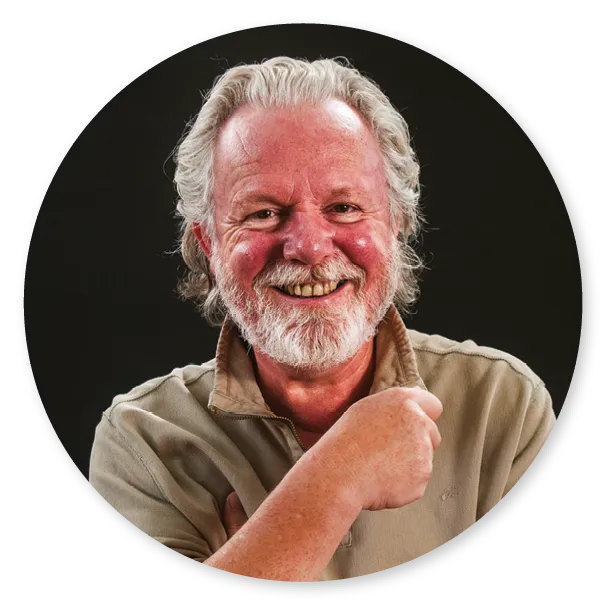
Peter May is a Scottish screenwriter, novelist and crime writer born in Glasgow in 1951. In the 2010s, he published The Lewis Trilogy, which won several awards. After COP26, he felt frustrated by the lack of action of politicians, and it inspired him to write A Winter Grave.
Ressource affichée de l'autre côté.
Faites défiler pour voir la suite.
Faites défiler pour voir la suite.
Write a monologue.
Imagine you are the elderly man in the waiting room, quietly stamping on cockroaches. What do you think about the climate crisis and how it has changed the world around you? Recall a memory from your past, maybe a time when the weather or the environment were very different, and express the hopes or fears you have for the future.Une erreur sur la page ? Une idée à proposer ?
Nos manuels sont collaboratifs, n'hésitez pas à nous en faire part.
j'ai une idée !
Oups, une coquille