Vue papier

Découvrez la vue papier en cliquant ici
Unit 9
Book Club
Ressource affichée de l'autre côté.
Faites défiler pour voir la suite.
Faites défiler pour voir la suite.
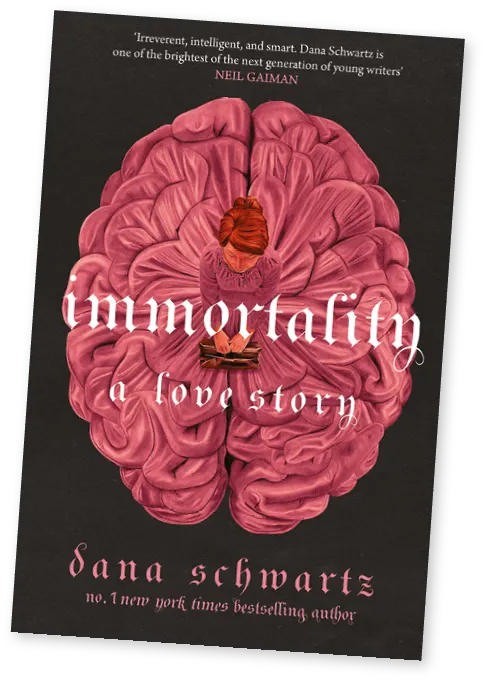
Immortality: A Love Story is a gothic historical fantasy set in Edinburgh in 1818.
It tells the story of Hazel Sinnett, a determined young woman who wants to be
a surgeon more than she wants to marry. In Anatomy of a Love Story, the first
installment of the duology, Hazel was kicked out of a professor's lectures for being the wrong gender, and began practicing surgery on corpses in secret to continue her training. Her skill and ambition eventually lead her to encounter the Companions to the Death, a secret society that makes her an unusual offer…
Ressource affichée de l'autre côté.
Faites défiler pour voir la suite.
Faites défiler pour voir la suite.
Texte
Immortality:
A Love Story
“And that, Miss Sinnett, is why we started the Companions to the Death.”
“For artists,” Byron said, half-mocking with a self-important tone.
“For the future,” Marie-Anne corrected. “To preserve the greatest minds of a generation. Of every generation. To create a cohort with the talent and ability to steer the future of culture and politics for the better.” […]
Hazel's eye was drawn to Marie-Anne's missing pinkie finger. “The privilege of immortality,” she said, “requires sacrifice.”
Byron waggled his own four-fingered hand at Hazel. “An initiation ritual.” […]
Marie-Anne Lavoisier refilled Hazel's wineglass. “As you've gleaned, Miss Sinnett, our numbers are very few. And entrance to our little social club remains incredibly exclusive. Only those who we truly feel will contribute to creating positive change in the world are allowed past our threshold and into our elite circle. Immortality is a gift. The most precious commodity, desperately sought by kings and emperors in vain. But one tiny consequence is the slight tendency to sustain injuries over a long life.”
She lifted her right hand, and Hazel noticed that several of the fingers had stitching around the base. Fallen off and sewn back on. […]
Byron pulled off a boot and sock and wiggled a foot gone gray, poorly reattached at the ankle. It was swollen and dead. “I'm still limping!” he complained. “People are saying I have a clubfoot.”
“It is not my fault!” Mrs. Thire cried. “I'm a seamstress, not a surgeon.”[…]
Marie-Anne nodded. “It's a very particular skill, and challenging: the ability to reattach flesh, cauterize veins, minimize scarring, maintain blood flow. You possess rare gifts, Miss Sinnett. We think you can help us, and we think we can help you. More than we already have, I mean.”
“What do you mean?” Hazel said.
“The Companions to the Death are at the heart of London court and society. It was we who heard the rumors about you, and suggested to the Prince Regent that perhaps his daughter might prefer to be treated by a young, female surgeon close to her age. That's what we do,” Marie-Anne said. “Influence things. Make them better. Move things forward.”
“Why me?” Hazel whispered.
“You're famous,” Byron said, as if it were obvious. “Only female surgeon in Britain.”
Marie-Anne gave him a stern look. “You, Miss Sinnett, are a woman out of time. Imagine what the world will be for a woman in fifty years. In a hundred. Women will be celebrated as surgeons, not working in scandal, alone. A woman won't need to marry to have a place to live, to be able to participate in society.” […]
“We are offering you, Miss Sinnett, a rare invitation to join us. Help us with our minor repairs. Live forever exactly the way you were meant to live.”
“Are we going to do the finger now?” Byron asked. “Or later? I don't want to be put off my appetite, and I'm worried the blood spatter will stain these shoes. I'll leave.”
“Go upstairs if you wish, George,” Marie-Anne said. “Sit in the laboratory. No need for you to make such a fuss.” From a pocket swung around the hip of her skirt, she removed a long knife with a black handle. It glistened in the candlelight. “Would you like a glass of wine before we begin, Hazel?”
The buzzing in Hazel's ears was back. “No.”
“Good. We'll be quick, then. Antoine, be a dear and fetch the Tincture from upstairs, love?”
“No!” Hazel said louder than she meant. “I don't want to join your… I mean, I don't want to be immortal.”
Silence. And then Byron erupted in laughter.
“Whyever,” Marie-Anne said, “not?” Her face was still a mask, but the twitch at the corner of her mouth was threatening to become a frown.
Hazel didn't know if it was cowardice or prudence; perhaps it didn't matter. But the thought of taking the Tincture – of living forever – gave her the sensation of standing on a rocky ledge atop a very, very tall cliff and being told to jump.
Hazel's mouth had gone dry, and she felt the room's eyeballs on her. “I don't want to live forever.” No one said anything, and so Hazel continued. “It's too… permanent.”
“The only thing that's permanent is death,” Voltaire said. “Life changes constantly.”
“I would get bored. I know I would. Eventually,” Hazel said.
Benjamin Banneker smiled reassuringly. “Bored? Of travel and reading? Of science and discovery? A dullard might get bored with infinite time, but I do seriously doubt that boredom would be possible for someone like you, if you'll forgive the presumptuousness.”
“I don't want to watch the people I love die.”
“You will always have to watch people you love die,” Marie-Anne said. “Do you think mortality protects you from that?” The knife was sharp; Hazel saw the light flicker off its edge.
“Can I think about it?” Hazel asked quietly.
Byron guffawed. “No! We are giving you a once-in-a-lifetime opportunity that anyone in London would cut off their left hand for” – “Left pinkie at least,” Voltaire muttered – and you're dallying about?”
“Yes,” Marie-Anne said. “You can think about it.”
“For artists,” Byron said, half-mocking with a self-important tone.
“For the future,” Marie-Anne corrected. “To preserve the greatest minds of a generation. Of every generation. To create a cohort with the talent and ability to steer the future of culture and politics for the better.” […]
Hazel's eye was drawn to Marie-Anne's missing pinkie finger. “The privilege of immortality,” she said, “requires sacrifice.”
Byron waggled his own four-fingered hand at Hazel. “An initiation ritual.” […]
Marie-Anne Lavoisier refilled Hazel's wineglass. “As you've gleaned, Miss Sinnett, our numbers are very few. And entrance to our little social club remains incredibly exclusive. Only those who we truly feel will contribute to creating positive change in the world are allowed past our threshold and into our elite circle. Immortality is a gift. The most precious commodity, desperately sought by kings and emperors in vain. But one tiny consequence is the slight tendency to sustain injuries over a long life.”
She lifted her right hand, and Hazel noticed that several of the fingers had stitching around the base. Fallen off and sewn back on. […]
Byron pulled off a boot and sock and wiggled a foot gone gray, poorly reattached at the ankle. It was swollen and dead. “I'm still limping!” he complained. “People are saying I have a clubfoot.”
“It is not my fault!” Mrs. Thire cried. “I'm a seamstress, not a surgeon.”[…]
Marie-Anne nodded. “It's a very particular skill, and challenging: the ability to reattach flesh, cauterize veins, minimize scarring, maintain blood flow. You possess rare gifts, Miss Sinnett. We think you can help us, and we think we can help you. More than we already have, I mean.”
“What do you mean?” Hazel said.
“The Companions to the Death are at the heart of London court and society. It was we who heard the rumors about you, and suggested to the Prince Regent that perhaps his daughter might prefer to be treated by a young, female surgeon close to her age. That's what we do,” Marie-Anne said. “Influence things. Make them better. Move things forward.”
“Why me?” Hazel whispered.
“You're famous,” Byron said, as if it were obvious. “Only female surgeon in Britain.”
Marie-Anne gave him a stern look. “You, Miss Sinnett, are a woman out of time. Imagine what the world will be for a woman in fifty years. In a hundred. Women will be celebrated as surgeons, not working in scandal, alone. A woman won't need to marry to have a place to live, to be able to participate in society.” […]
“We are offering you, Miss Sinnett, a rare invitation to join us. Help us with our minor repairs. Live forever exactly the way you were meant to live.”
“Are we going to do the finger now?” Byron asked. “Or later? I don't want to be put off my appetite, and I'm worried the blood spatter will stain these shoes. I'll leave.”
“Go upstairs if you wish, George,” Marie-Anne said. “Sit in the laboratory. No need for you to make such a fuss.” From a pocket swung around the hip of her skirt, she removed a long knife with a black handle. It glistened in the candlelight. “Would you like a glass of wine before we begin, Hazel?”
The buzzing in Hazel's ears was back. “No.”
“Good. We'll be quick, then. Antoine, be a dear and fetch the Tincture from upstairs, love?”
“No!” Hazel said louder than she meant. “I don't want to join your… I mean, I don't want to be immortal.”
Silence. And then Byron erupted in laughter.
“Whyever,” Marie-Anne said, “not?” Her face was still a mask, but the twitch at the corner of her mouth was threatening to become a frown.
Hazel didn't know if it was cowardice or prudence; perhaps it didn't matter. But the thought of taking the Tincture – of living forever – gave her the sensation of standing on a rocky ledge atop a very, very tall cliff and being told to jump.
Hazel's mouth had gone dry, and she felt the room's eyeballs on her. “I don't want to live forever.” No one said anything, and so Hazel continued. “It's too… permanent.”
“The only thing that's permanent is death,” Voltaire said. “Life changes constantly.”
“I would get bored. I know I would. Eventually,” Hazel said.
Benjamin Banneker smiled reassuringly. “Bored? Of travel and reading? Of science and discovery? A dullard might get bored with infinite time, but I do seriously doubt that boredom would be possible for someone like you, if you'll forgive the presumptuousness.”
“I don't want to watch the people I love die.”
“You will always have to watch people you love die,” Marie-Anne said. “Do you think mortality protects you from that?” The knife was sharp; Hazel saw the light flicker off its edge.
“Can I think about it?” Hazel asked quietly.
Byron guffawed. “No! We are giving you a once-in-a-lifetime opportunity that anyone in London would cut off their left hand for” – “Left pinkie at least,” Voltaire muttered – and you're dallying about?”
“Yes,” Marie-Anne said. “You can think about it.”
Ressource affichée de l'autre côté.
Faites défiler pour voir la suite.
Faites défiler pour voir la suite.
a) What is the purpose
of the secret society
the “Companions to the
Death”? Do you know
who Byron is?
Ressource affichée de l'autre côté.
Faites défiler pour voir la suite.
Faites défiler pour voir la suite.
b) What happened
to Marie-Anne and
Byron's fingers?
Ressource affichée de l'autre côté.
Faites défiler pour voir la suite.
Faites défiler pour voir la suite.
c) What does Byron
show Hazel? What
does it reveal about
immortal bodies?
Ressource affichée de l'autre côté.
Faites défiler pour voir la suite.
Faites défiler pour voir la suite.
d) Why is Hazel
interesting for
the Companions?
Ressource affichée de l'autre côté.
Faites défiler pour voir la suite.
Faites défiler pour voir la suite.
e) How have they
already influenced
Hazel's life?
Ressource affichée de l'autre côté.
Faites défiler pour voir la suite.
Faites défiler pour voir la suite.
f) What future does
Marie-Anne describe
for women like Hazel?
Ressource affichée de l'autre côté.
Faites défiler pour voir la suite.
Faites défiler pour voir la suite.
g) What are the terms
of her offer to Hazel?
Ressource affichée de l'autre côté.
Faites défiler pour voir la suite.
Faites défiler pour voir la suite.
h) What is Byron
talking about when he
mentions “the finger”?
What is Marie-Anne
preparing to do?
Ressource affichée de l'autre côté.
Faites défiler pour voir la suite.
Faites défiler pour voir la suite.
i) How do they react
to Hazel's declaration?
What reasons does
Hazel give to explain
her answer?
Ressource affichée de l'autre côté.
Faites défiler pour voir la suite.
Faites défiler pour voir la suite.
j) Who is Voltaire, and
why is it surprising to
see him in this scene?
Ressource affichée de l'autre côté.
Faites défiler pour voir la suite.
Faites défiler pour voir la suite.
k) How does Benjamin
Banneker try to
convince Hazel?
Ressource affichée de l'autre côté.
Faites défiler pour voir la suite.
Faites défiler pour voir la suite.
l) How do Marie-Anne
and Byron react
differently to Hazel's
hesitation?
Ressource affichée de l'autre côté.
Faites défiler pour voir la suite.
Faites défiler pour voir la suite.
Dana Schwartz is an American author, journalist, and screenwriter. She attended Brown University where she studied biology before realizing that she would only be happy if she tried to be a writer. She hosts two popular podcasts: Noble Blood, about the dark histories of royalty, and Hoax!, exploring some of history's strangest pranks. Her previous novel Anatomy of a Love Story was a New York Times #1 bestseller and a Reese Witherspoon YA book club pick, and was translated in 20 languages.


Ressource affichée de l'autre côté.
Faites défiler pour voir la suite.
Faites défiler pour voir la suite.
Write in your diary.
You are Hazel Sinnett, and it's the night after the mysterious dinner with the Companions to the Death. You can't tell anyone what truly happened, so you pour your feelings and doubts onto the page. What tempts you about the offer of immortality? What frightens you? At the end, reveal whether you think you'll accept or refuse the offer.Une erreur sur la page ? Une idée à proposer ?
Nos manuels sont collaboratifs, n'hésitez pas à nous en faire part.
j'ai une idée !
Oups, une coquille