Vue papier

Découvrez la vue papier en cliquant ici
Case Study 11
Axe 5
Objet d'étude 2
Eco-topia
Ressource affichée de l'autre côté.
Faites défiler pour voir la suite.
Faites défiler pour voir la suite.
Design your own eco-community.
Your school is giving students the opportunity to design their own eco-friendly community: a place where sustainability, innovation, and collaboration shape everyday life. It sounds like a utopia, but to make it a reality, you need to convince others to join your initiative!
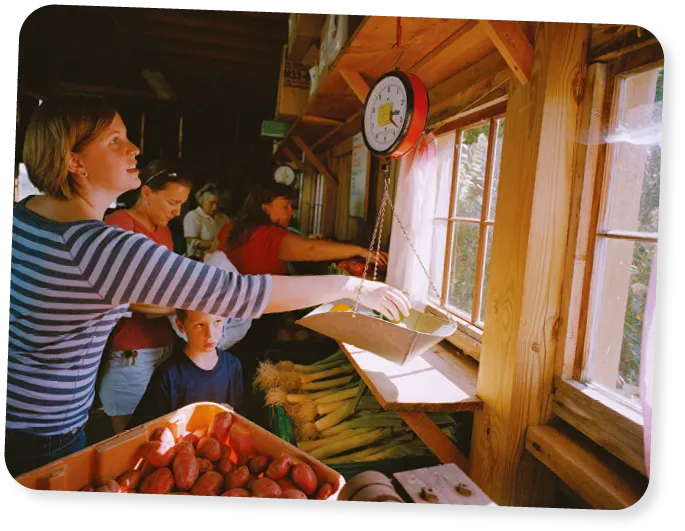
Eco-village co-op in Ithaca, New York.
Ressource affichée de l'autre côté.
Faites défiler pour voir la suite.
Faites défiler pour voir la suite.
1The Earthship model


Earthship biosphere residence in Taos, New Mexico.
Vidéo associée
From 9:34 to 12:06
Ressource affichée de l'autre côté.
Faites défiler pour voir la suite.
Faites défiler pour voir la suite.
Step 1
1
Describe the architecture of Earthships that you can see in the photo and video.
2
Pick out the basic needs that Earthships are built to meet.
3
Explain how Earthships maintain a comfortable living environment.
Action!
Work as a team to sketch or describe the housing for your own eco‑community. Consider materials, energy sources, water management, and food production. How will your homes be both comfortable and sustainable?
Ressource affichée de l'autre côté.
Faites défiler pour voir la suite.
Faites défiler pour voir la suite.
2Reinventing economy

Vidéo associée
From 0:00 to 1:35
Ressource affichée de l'autre côté.
Faites défiler pour voir la suite.
Faites défiler pour voir la suite.
Step 2
1
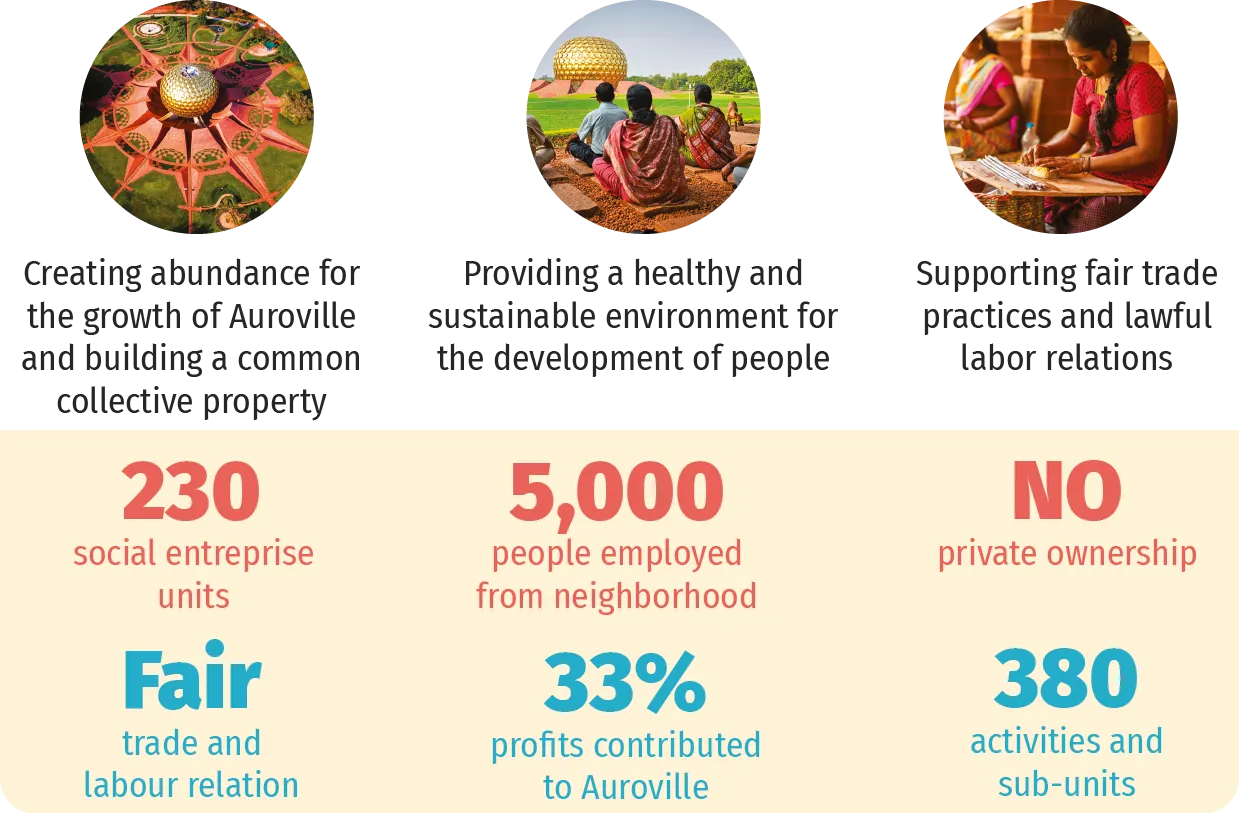
What are the main values and principles of the Auroville community?
2
Describe how the cashless system works in Auroville.
3
What is the impact on the community?
Action!
Outline the economic system for your eco-community. How will goods and services be exchanged? Will you use a barter system, resource sharing, or a different model?
Ressource affichée de l'autre côté.
Faites défiler pour voir la suite.
Faites défiler pour voir la suite.
3The Challenges of utopia
The challenges
of Utopia
In 2007, while studying sustainable communities for a chapter on the subject for State of the World 2008, I had the chance to visit several ecovillages. But none stood out like the Los Angeles Eco-Village. Surrounded by car-centric city sprawl, it was a tiny little oasis of green – literally and figuratively, with it being populated by many environmental activists. It was inspiring to meet them and learn about their efforts, and I daydreamed about what would happen if there was a little urban ecovillage in every city incubating citywide change, catalyzing human-centric infrastructure changes, teaching permaculture techniques, and so on. […]
By good fortune, I had the chance to visit again this summer. The community was still an oasis. […]
But the community also seemed somewhat fragile – there was tension, perhaps between the founder, Lois, who has huge ambitions for what the community can be, and some members of the community who may have different views. Or who may have just come to LAEV because it offered a beautiful apartment in a friendly community at half the average rental price in LA (and where neighbors didn't think you strange if you recycled or composted or rode a bike instead of driving a car). Or may like the community's social change efforts but perhaps do not understand the ecological context (there is no ecoliteracy test to enter the community). Or may not see this as the final destination in their life journey, but just a temporary stop so aren't trying to develop something enduring. If there are 40 residents, then surely there are at least 80 reasons. […]
As Lois noted to me, there are significant efforts to cultivate community interdependence – from work committees and regular potlucks, to shopping for the sick and even home hospice care for the dying. But in the individualized cultural context of the U.S., I imagine LAEV efforts can only do so much to combat the atomized way we live in the world.
Ultimately, none of it is easy – in any community-building context – but perhaps finding ways to cultivate and nourish those future community members and leaders is the role that is most important to play for those who love their communities and want them to grow and flourish.
By good fortune, I had the chance to visit again this summer. The community was still an oasis. […]
But the community also seemed somewhat fragile – there was tension, perhaps between the founder, Lois, who has huge ambitions for what the community can be, and some members of the community who may have different views. Or who may have just come to LAEV because it offered a beautiful apartment in a friendly community at half the average rental price in LA (and where neighbors didn't think you strange if you recycled or composted or rode a bike instead of driving a car). Or may like the community's social change efforts but perhaps do not understand the ecological context (there is no ecoliteracy test to enter the community). Or may not see this as the final destination in their life journey, but just a temporary stop so aren't trying to develop something enduring. If there are 40 residents, then surely there are at least 80 reasons. […]
As Lois noted to me, there are significant efforts to cultivate community interdependence – from work committees and regular potlucks, to shopping for the sick and even home hospice care for the dying. But in the individualized cultural context of the U.S., I imagine LAEV efforts can only do so much to combat the atomized way we live in the world.
Ultimately, none of it is easy – in any community-building context – but perhaps finding ways to cultivate and nourish those future community members and leaders is the role that is most important to play for those who love their communities and want them to grow and flourish.
Ressource affichée de l'autre côté.
Faites défiler pour voir la suite.
Faites défiler pour voir la suite.


Courtyard garden at the L.A. Eco-village.
Ressource affichée de l'autre côté.
Faites défiler pour voir la suite.
Faites défiler pour voir la suite.
Step 3
1
Pick out elements that make out the Los Angeles Eco-Village as both “an oasis” and “fragile”, in the author's opinion.
2
List the challenges that the community faces.
3
How does the American focus on individualism make it harder for a community like LAEV to succeed?
Action!
Identify a conflict your eco-community might face (related to governance, commitment, or vision) and propose a realistic solution. How will you ensure your community thrives in the long run?
Ressource affichée de l'autre côté.
Faites défiler pour voir la suite.
Faites défiler pour voir la suite.
Ready...
- Brainstorm as a team. Discuss your ideas together and sketch or describe your eco-community's housing, economy, and possible challenges.
Steady...
- Prepare your group presentation. Make sure each part of your eco-community is explained clearly: its design, how it works, and how you plan to solve problems.
Go!
- Pitch your eco-community to your classmates! Explain why people should join your project. If possible, use visuals to be more convincing.
Une erreur sur la page ? Une idée à proposer ?
Nos manuels sont collaboratifs, n'hésitez pas à nous en faire part.
j'ai une idée !
Oups, une coquille