Vue papier

Découvrez la vue papier en cliquant ici
Unit 3
Activity 1
Moonlight and magnolias
Ressource affichée de l'autre côté.
Faites défiler pour voir la suite.
Faites défiler pour voir la suite.
1
Plantation vacation controversy
angt-unit3-activity1-doc1.mp3
The American South – and the nation more broadly – continues to wrestle with how to remember its most painful chapters. Tourism is one of the arenas where that struggle is most visible.
This tension came into sharp relief in May 2025, when the largest antebellum mansion in the region – the 19th-century estate at Nottoway Plantation in Louisiana – burned to the ground. While some historians, community members and tourism advocates mourned the loss of a landmark site, many activists and others critical of slavery's past celebrated its destruction.
Soon after the fire, Nottoway's owner indicated an interest in rebuilding. And within weeks, a new restaurant had opened on a different part of the site. That speed underscores how quickly memory, history and economics can collide – and how tourism sits at the center of that tension. [...]
Nottoway is one of more than 300 such plantation sites across the country, which together generate billions of dollars in revenue each year. This type of tourism forces communities and visitors alike to ask a difficult question: What parts of the past do Americans preserve, and for whom?
This tension came into sharp relief in May 2025, when the largest antebellum mansion in the region – the 19th-century estate at Nottoway Plantation in Louisiana – burned to the ground. While some historians, community members and tourism advocates mourned the loss of a landmark site, many activists and others critical of slavery's past celebrated its destruction.
Soon after the fire, Nottoway's owner indicated an interest in rebuilding. And within weeks, a new restaurant had opened on a different part of the site. That speed underscores how quickly memory, history and economics can collide – and how tourism sits at the center of that tension. [...]
Nottoway is one of more than 300 such plantation sites across the country, which together generate billions of dollars in revenue each year. This type of tourism forces communities and visitors alike to ask a difficult question: What parts of the past do Americans preserve, and for whom?
Ressource affichée de l'autre côté.
Faites défiler pour voir la suite.
Faites défiler pour voir la suite.

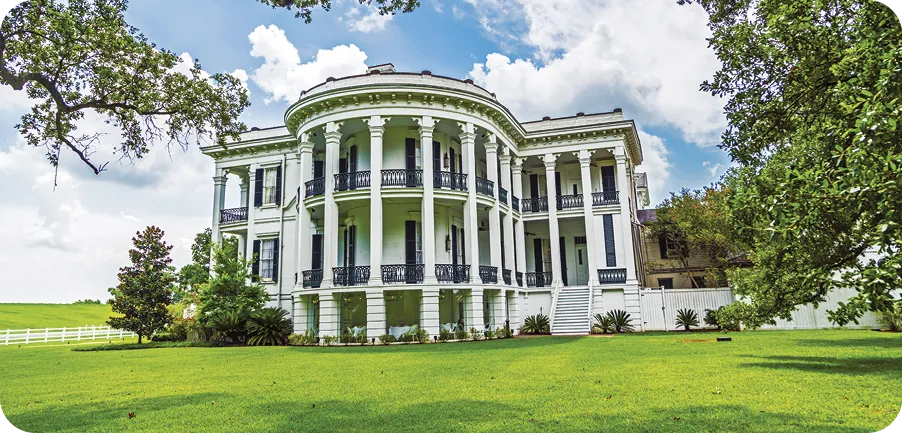
Nottoway Plantation, Louisiana.
Vidéo associée
Ressource affichée de l'autre côté.
Faites défiler pour voir la suite.
Faites défiler pour voir la suite.
2
The origin of a Southern myth
angt-unit3-activity1-doc2.mp3
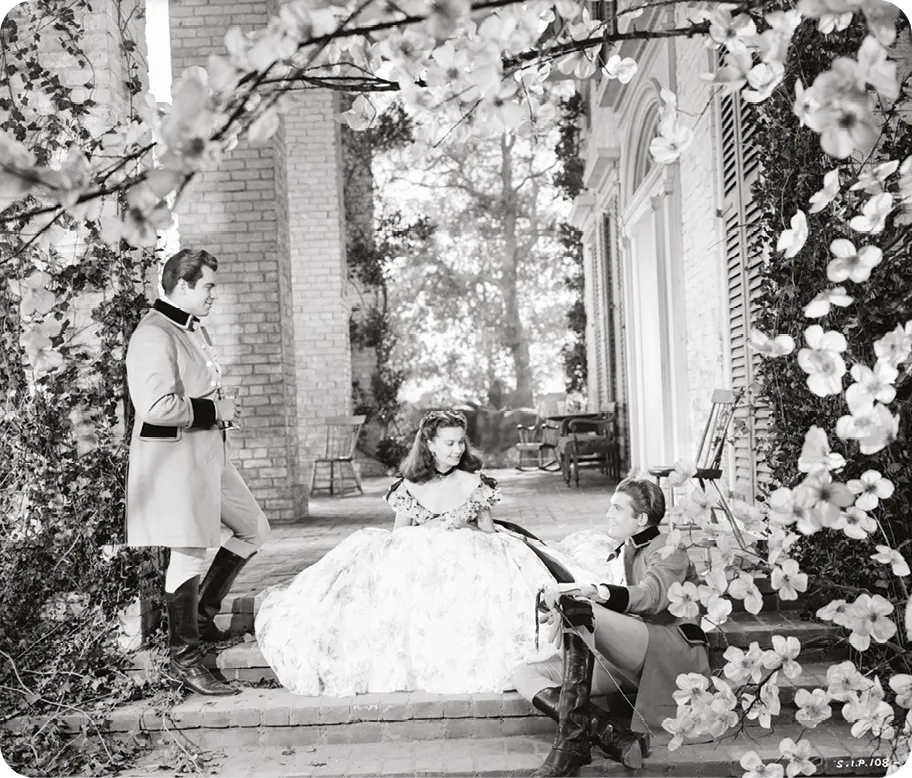
Still from Gone with the Wind, 1939.
Plantation tourism originated after the Civil War, when cash-strapped former enslavers began opening their opulent homes to paying visitors. By the early 20th century, plantations were tourist attractions that, like the film Gone with the Wind, glorified the Lost Cause myth of a South that fought the Civil War to preserve not slavery and white supremacy but a "genteel" way of life.
In this false narrative, white enslavers were always caring, and enslaved Black people were content and dependent. The "moonlight and magnolias" plantation experience, as it was called, gained popularity in the 1960s and '70s when many who opposed the civil rights movement wanted to indulge in fantasies of a South that never existed.
In this false narrative, white enslavers were always caring, and enslaved Black people were content and dependent. The "moonlight and magnolias" plantation experience, as it was called, gained popularity in the 1960s and '70s when many who opposed the civil rights movement wanted to indulge in fantasies of a South that never existed.
Ressource affichée de l'autre côté.
Faites défiler pour voir la suite.
Faites défiler pour voir la suite.
Questions
1
How did people react to the destruction of the estate at Nottoway Plantation? What tensions does this reveal?
2
How did plantation tourism begin? What kind of story did it try to promote?
3
What is missing or hidden in the way plantations have been presented to visitors?
Ressource affichée de l'autre côté.
Faites défiler pour voir la suite.
Faites défiler pour voir la suite.
Background check
Why is plantation tourism controversial today?Ressource affichée de l'autre côté.
Faites défiler pour voir la suite.
Faites défiler pour voir la suite.
One sentence challenge
Close your books and sum up what you have learned on this page in one sentence.Une erreur sur la page ? Une idée à proposer ?
Nos manuels sont collaboratifs, n'hésitez pas à nous en faire part.
j'ai une idée !
Oups, une coquille