Case Study 5
Axe 2
Objet d'étude 2
ANZAC Day for all Australians
Ressource affichée de l'autre côté.
Faites défiler pour voir la suite.
Faites défiler pour voir la suite.
Present an inclusive memorial project.
You are part of a youth advisory group at the Australian War Memorial. This year, the commemoration committee wants to better acknowledge Indigenous Australians who served in World War I during ANZAC (Australia and New Zealand Army Corps) Day events. Your goal is to present a memorial project ahead of next year's ANZAC Day. What would you organise to make ANZAC Day more inclusive, and what stories would you highlight?
You are part of a youth advisory group at the Australian War Memorial. This year, the commemoration committee wants to better acknowledge Indigenous Australians who served in World War I during ANZAC (Australia and New Zealand Army Corps) Day events. Your goal is to present a memorial project ahead of next year's ANZAC Day. What would you organise to make ANZAC Day more inclusive, and what stories would you highlight?

Ressource affichée de l'autre côté.
Faites défiler pour voir la suite.
Faites défiler pour voir la suite.
1 What is ANZAC Day?

Vidéo associée
From 0:00 to 1:36Ressource affichée de l'autre côté.
Faites défiler pour voir la suite.
Faites défiler pour voir la suite.
Step 1
1
Pick out information about ANZAC Day. When is it held and who does it honour?
2
Why is Gallipoli a significant location in ANZAC history?
3
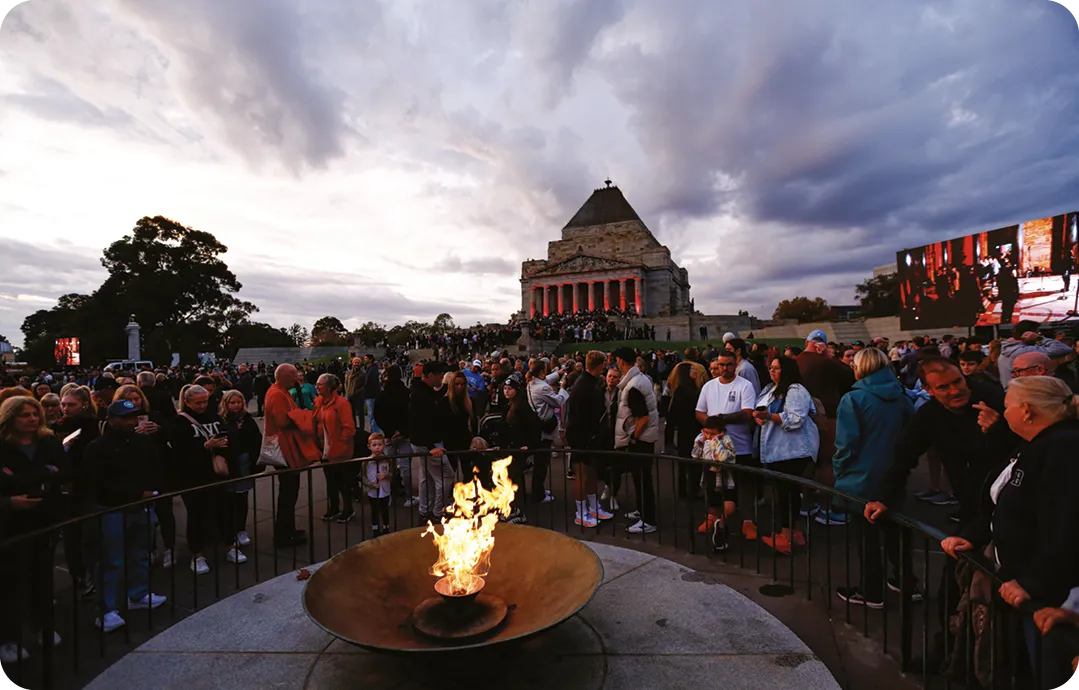
Identify the main symbols, places, and rituals associated with ANZAC Day commemorations.
Action!
Write the briefing notes for your ANZAC Day memorial project. Include what the day commemorates, and the symbols or rituals that should appear in any ceremony.
Ressource affichée de l'autre côté.
Faites défiler pour voir la suite.
Faites défiler pour voir la suite.
2 A hidden story

Vidéo associée
Ressource affichée de l'autre côté.
Faites défiler pour voir la suite.
Faites défiler pour voir la suite.
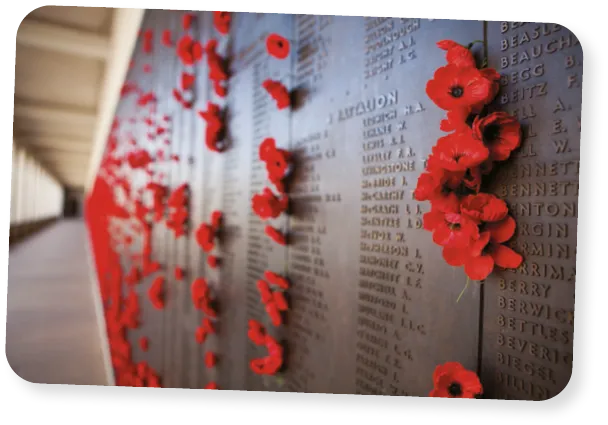
The red poppy became a symbol of remembrance after the Canadian poet John McCrae wrote “In Flanders Fields”, while the phrase “Lest we forget” comes from a poem Rudyard Kipling wrote for Queen Victoria's Diamond Jubilee.
Ressource affichée de l'autre côté.
Faites défiler pour voir la suite.
Faites défiler pour voir la suite.
Step 2
1
Who was Marion Smith, and why is her story significant?
2
What challenges did Marion and her family face in Australia, and how did these affect her life path?
3
How does Marion's story change our understanding of who contributed to Australia's war effort?
Action!
Choose three facts from Marion Smith's story that must appear in your ANZAC Day memorial project. This will help highlight hidden stories in your final commemoration.
Ressource affichée de l'autre côté.
Faites défiler pour voir la suite.
Faites défiler pour voir la suite.
3
Aboriginal Australians at war
angt-cs5-step3.mp3

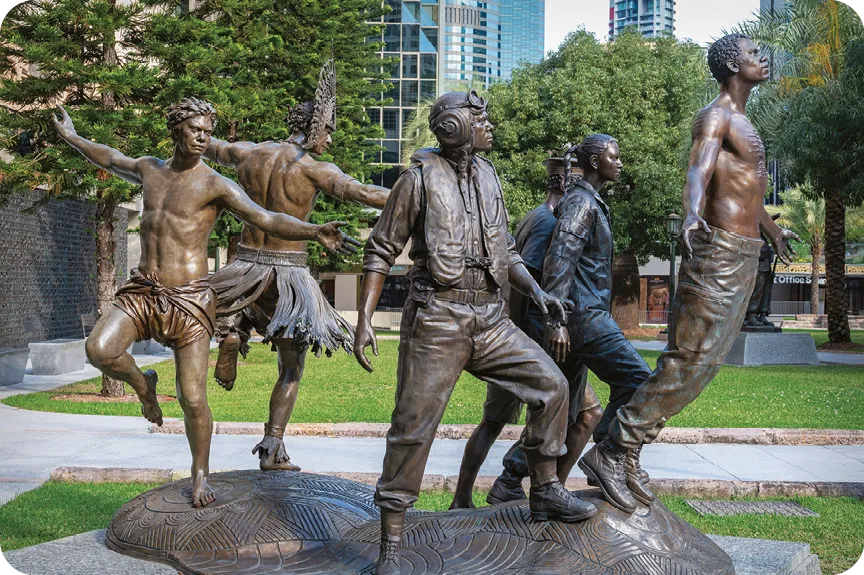
Aboriginal and Torres Strait Islander Memorial at ANZAC Square, Brisbane.
More than 1,000 Aboriginal and Torres Islanders served in the first world war, with at least 70 stationed on the front lines and in the trenches at Gallipoli.
At the outbreak of WWI, the 1910 amendment to the Australian Defence Act of 1903 prevented persons “not substantially of European origin or descent” from enlisting. In addition, Aboriginal and Torres Strait Islanders weren't yet considered Australian citizens and were therefore automatically excluded from enlisting.
Despite this, many Aboriginal and Torres Strait Islanders answered the call to defend their country by hiding their racial identity to enlist.
This Anzac Day, we can point to many examples of mainstream media projects, both fiction and non-fiction, dedicated to the Australian experience of WWI. But within these stories is a striking lack of Aboriginal or Torres Strait Islander people or characters that represent the wartime sacrifices made by First Nations peoples.
Why have their contributions been erased? And when will they be remembered? [...]
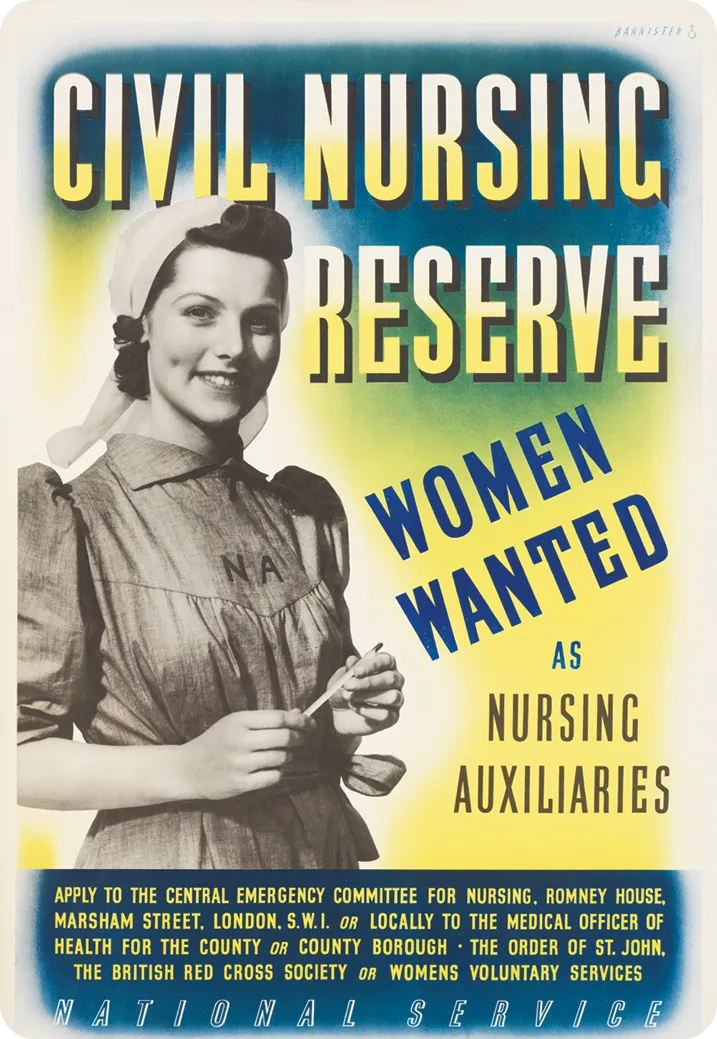
The propaganda that encouraged white Australians to enlist in search of travel and adventure also reached Aboriginal reserves and communities, having a similar impact. The chance to earn a wage and gain an education were also attractive causes as these rights were heavily restricted for Indigenous Australians at the time. [...]
Yet, once the war ended, they returned to as much discrimination (if not more) than before it began. Any hopes of equal treatment by the Australian government and white society on account of their service were quickly dashed. [...]
Returned Aboriginal and Torres Strait Islander soldiers were denied the recognition and support schemes provided to their non-Indigenous comrades. Even today, many families and communities continue to seek due recognition for Indigenous peoples' contributions to the war effort.
At the outbreak of WWI, the 1910 amendment to the Australian Defence Act of 1903 prevented persons “not substantially of European origin or descent” from enlisting. In addition, Aboriginal and Torres Strait Islanders weren't yet considered Australian citizens and were therefore automatically excluded from enlisting.
Despite this, many Aboriginal and Torres Strait Islanders answered the call to defend their country by hiding their racial identity to enlist.
This Anzac Day, we can point to many examples of mainstream media projects, both fiction and non-fiction, dedicated to the Australian experience of WWI. But within these stories is a striking lack of Aboriginal or Torres Strait Islander people or characters that represent the wartime sacrifices made by First Nations peoples.
Why have their contributions been erased? And when will they be remembered? [...]
The propaganda that encouraged white Australians to enlist in search of travel and adventure also reached Aboriginal reserves and communities, having a similar impact. The chance to earn a wage and gain an education were also attractive causes as these rights were heavily restricted for Indigenous Australians at the time. [...]
Yet, once the war ended, they returned to as much discrimination (if not more) than before it began. Any hopes of equal treatment by the Australian government and white society on account of their service were quickly dashed. [...]
Returned Aboriginal and Torres Strait Islander soldiers were denied the recognition and support schemes provided to their non-Indigenous comrades. Even today, many families and communities continue to seek due recognition for Indigenous peoples' contributions to the war effort.
Ressource affichée de l'autre côté.
Faites défiler pour voir la suite.
Faites défiler pour voir la suite.
Step 3
1
Why were Aboriginal and Torres Strait Islander people officially excluded from enlisting at the start of WWI?
2
How and why did they contribute to the war effort despite these restrictions?
3
How were aboriginal veterans treated and recognised after the war?
Action!
Choose one way to acknowledge Aboriginal and Torres Strait Islander soldiers in your ANZAC Day memorial project.
Ressource affichée de l'autre côté.
Faites défiler pour voir la suite.
Faites défiler pour voir la suite.
Ready...
- Gather your notes from the documents. Make sure you understand how Aboriginal and Torres Strait Islander people contributed to ANZAC Day.
Steady...
- Think about what the memorial could be (a building, a statue, a plaque, a place in nature, etc.), and what events or activities could happen there (a dawn service, a commemorative march, a speech, a song, a movie screening, etc.).
Go!
- Prepare your oral presentation. Highlight historical facts and hidden stories. Present your ideas and describe the rituals and symbols you will use for an inclusive commemoration event.
Une erreur sur la page ? Une idée à proposer ?
Nos manuels sont collaboratifs, n'hésitez pas à nous en faire part.
j'ai une idée !
Oups, une coquille