Vue papier
Découvrez la vue papier en cliquant ici
Case Study A
Axe 1
Objet d'étude 1
Mana wãhine
Ressource affichée de l'autre côté.
Faites défiler pour voir la suite.
Faites défiler pour voir la suite.
Pitch a children's book idea.
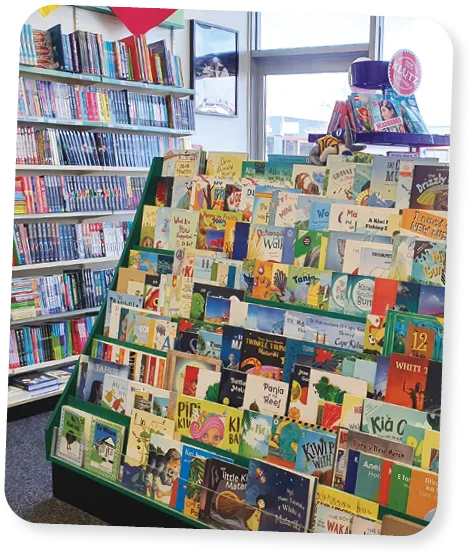
The publisher of the Little People, Big Dreams series, a children's book collection which tells the stories of remarkable people who have changed the world, has posted a call for contributions. You want to convince them to include the story of a Māori woman who embodies indigenous leadership and proudly celebrates her body and identity in the public space. How could you bring her mana (power and influence) to life for young readers?
The publisher of the Little People, Big Dreams series, a children's book collection which tells the stories of remarkable people who have changed the world, has posted a call for contributions. You want to convince them to include the story of a Māori woman who embodies indigenous leadership and proudly celebrates her body and identity in the public space. How could you bring her mana (power and influence) to life for young readers?

Ressource affichée de l'autre côté.
Faites défiler pour voir la suite.
Faites défiler pour voir la suite.
1
Women, power and stories
angt-csa-step1.mp3

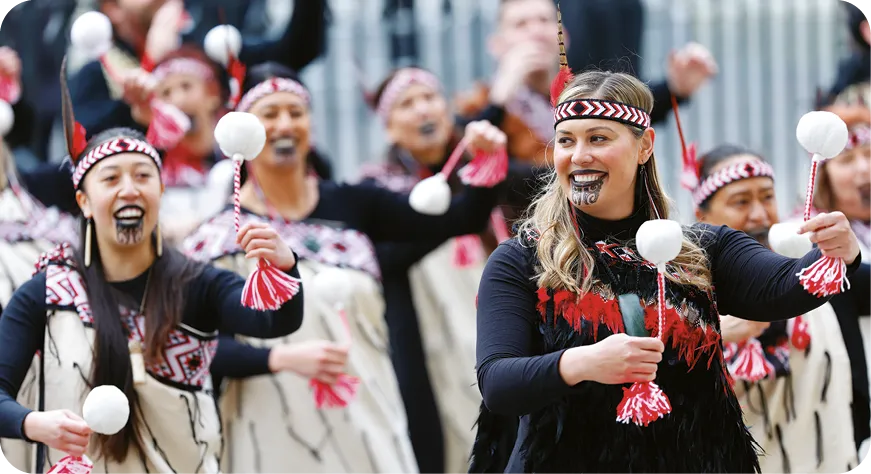
Māori wāhine (women) at the 2023 Commonwealth Day Service.
It is often assumed that, according to tikanga Māori, leadership was primarily the domain of men and that men in Māori society exercised power over women.
However, evidence abounds which refutes the notion that traditional Māori society attached greater significance to male roles than to female roles. [...]
The roles of men and women in traditional Māori society can be understood only in the context of the Māori worldview, which acknowledged the natural order of the universe, the interrelationship or whanaungatanga of all living things to one another and to the environment, and the overarching principle of balance.
Both men and women were essential parts in the collective whole. Both formed part of the whakapapa that linked Māori people back to the beginning of the world, and women in particular played a key role in linking the past with the present and the future. [...]
It is clear from such histories that Māori women occupied very important leadership positions in traditional society – positions of military, spiritual and political significance. [...]
When the missionaries and early settlers arrived in Aotearoa, they brought with them their culturally specific understandings of the role and status of women. Kuni Jenkins describes the conflict in values and the British reaction as follows:
Western civilisation when it arrived on Aotearoa's shore, did not allow its womenfolk any power at all – they were merely chattels in some cases less worthy than the men's horses. What the coloniser found was a land of noble savages narrating... stories of the wonder of women. Their myths and beliefs had to be reshaped and retold.
However, evidence abounds which refutes the notion that traditional Māori society attached greater significance to male roles than to female roles. [...]
The roles of men and women in traditional Māori society can be understood only in the context of the Māori worldview, which acknowledged the natural order of the universe, the interrelationship or whanaungatanga of all living things to one another and to the environment, and the overarching principle of balance.
Both men and women were essential parts in the collective whole. Both formed part of the whakapapa that linked Māori people back to the beginning of the world, and women in particular played a key role in linking the past with the present and the future. [...]
It is clear from such histories that Māori women occupied very important leadership positions in traditional society – positions of military, spiritual and political significance. [...]
When the missionaries and early settlers arrived in Aotearoa, they brought with them their culturally specific understandings of the role and status of women. Kuni Jenkins describes the conflict in values and the British reaction as follows:
Western civilisation when it arrived on Aotearoa's shore, did not allow its womenfolk any power at all – they were merely chattels in some cases less worthy than the men's horses. What the coloniser found was a land of noble savages narrating... stories of the wonder of women. Their myths and beliefs had to be reshaped and retold.
Ressource affichée de l'autre côté.
Faites défiler pour voir la suite.
Faites défiler pour voir la suite.
Step 1
1
What roles did Māori women have in traditional society?
2
How was the place of women linked to the Māori worldview?
3
How did the arrival of the British impact the way female characters were represented in stories?
Action!
Write the introduction of your pitch to the publisher, explaining why the representation of a Māori woman in the children's book series matters.
Ressource affichée de l'autre côté.
Faites défiler pour voir la suite.
Faites défiler pour voir la suite.
2
Embodied mana

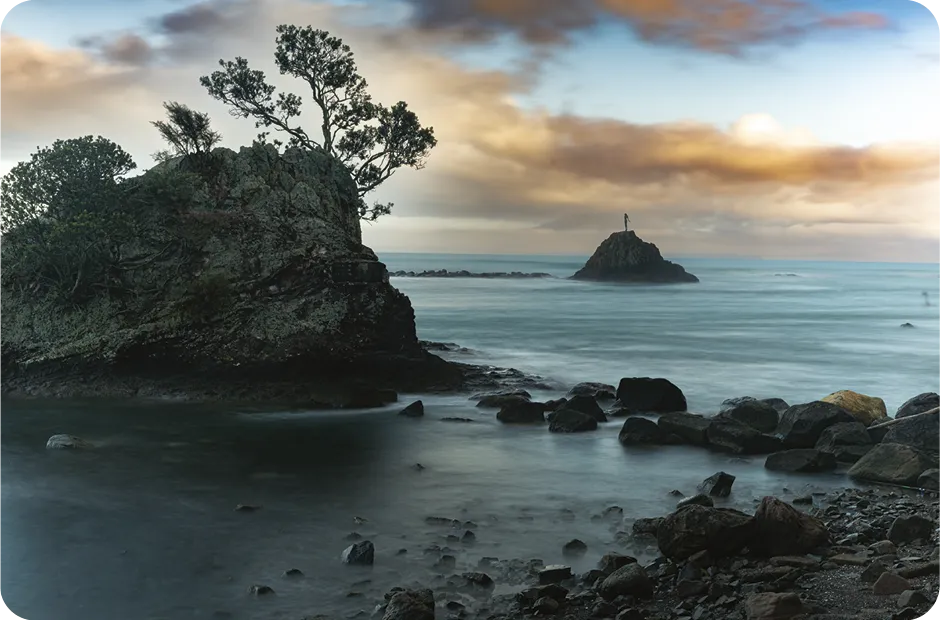
“Māori attitudes to periods”, The Spinoff, 2019.
Vidéo associée
From 1:16 to the endRessource affichée de l'autre côté.
Faites défiler pour voir la suite.
Faites défiler pour voir la suite.
Step 2
1
Describe what Māori attitudes to menstruation were like before colonisation.
2
Pick two Māori words used in the video. What do they show about the connection between the female body and the land?
3
Explain how periods have become more than a private issue, and how they connect to cultural identity.
Action!
Add a paragraph to your pitch notes showing how Māori culture views the female body as a source of empowerment.

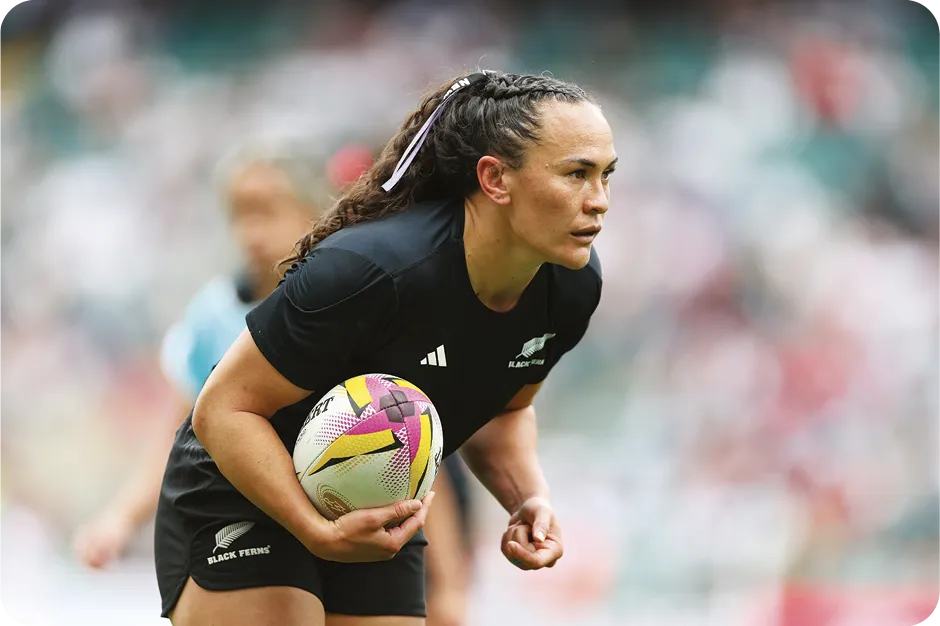

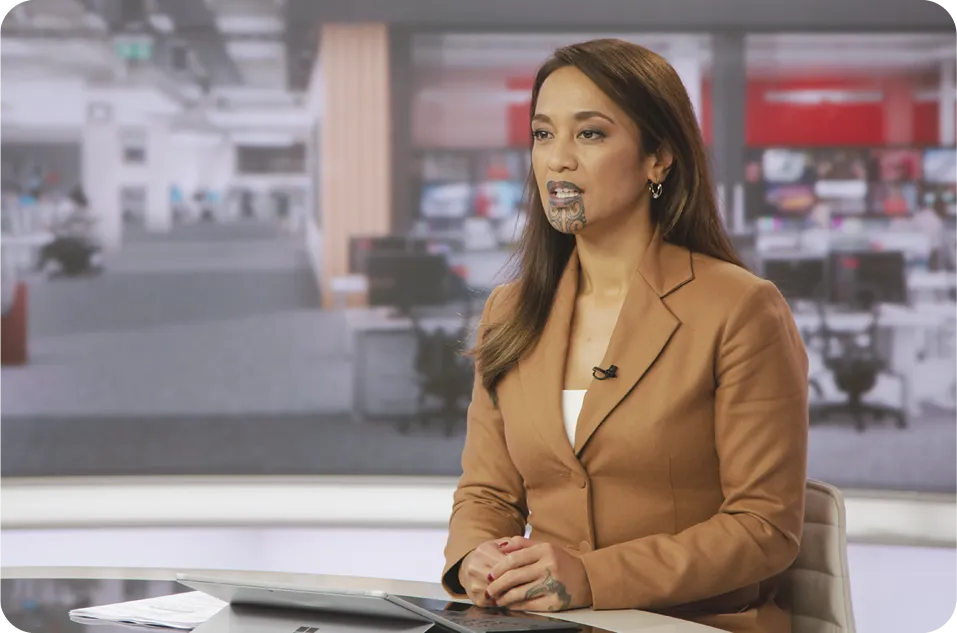

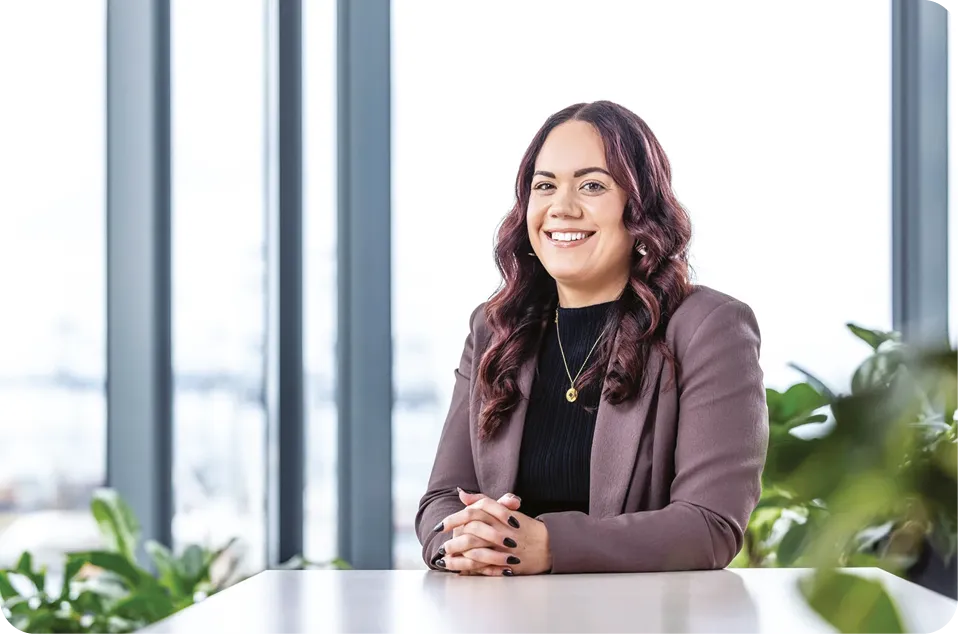
Ressource affichée de l'autre côté.
Faites défiler pour voir la suite.
Faites défiler pour voir la suite.
Step 3
1
Focus on one of the women, and present her to your classmates. Who is she, what does she do, and what makes her story remarkable?
2
Share your findings. How do these women use their body and public image to express pride in being Māori?
Action!
Choose which Māori woman you want to feature in your children's book. Explain why her story would inspire young readers today.
Ressource affichée de l'autre côté.
Faites défiler pour voir la suite.
Faites défiler pour voir la suite.
Ready...
- Collect your notes about Māori women in New Zealand and the ancestral connection between land and body. Make sure you understand the historical context.
Steady...
- Choose one Māori woman to feature in the future book. Organise your arguments, including what makes her story remarkable and how she can be a role model for young readers.
Go!
- Pitch your book idea. Be convincing: show how this woman embodies Mana Wāhine and why her story deserves to be told!
Une erreur sur la page ? Une idée à proposer ?
Nos manuels sont collaboratifs, n'hésitez pas à nous en faire part.
j'ai une idée !
Oups, une coquille